I’m posting a number of my sketches and paintings – just a few of dozens – of gymnasts that I created long ago (the early 90s up to the year 2000 or so). Back in the 80’s I got interested in the Olympics and several sports stuck with me, but perhaps most importantly was gymnastics.
As I grew up and my interest in art became central, I wanted to get a better understanding of the human form. In those days where I lived there were no life drawing classes or opportunities to really work from the figure at all. I recalled the definition of musculature and the examples of human movement that gymnastics afforded, and began to use them as my models to get a grasp of anatomy and an idea of how to depict the body in action.
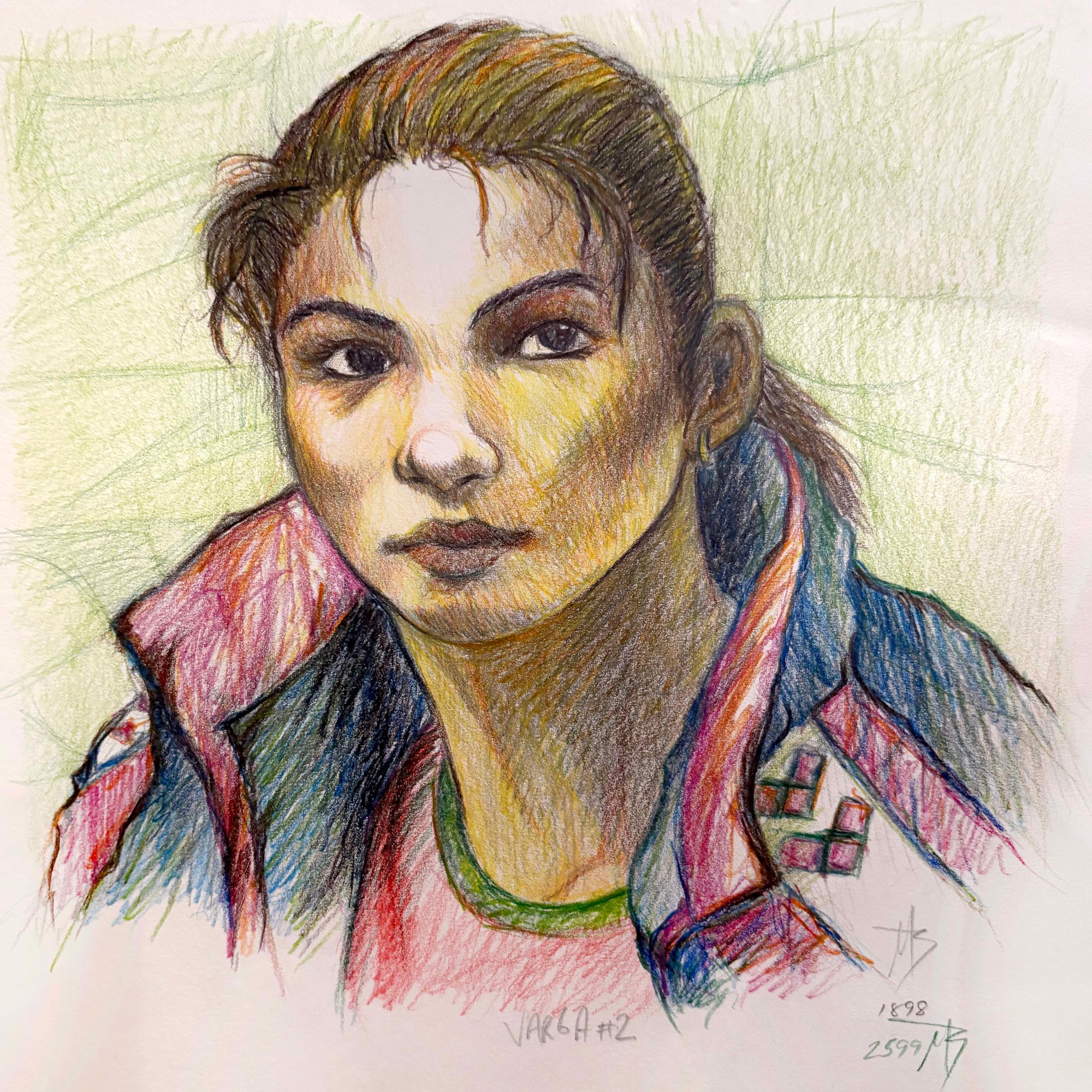
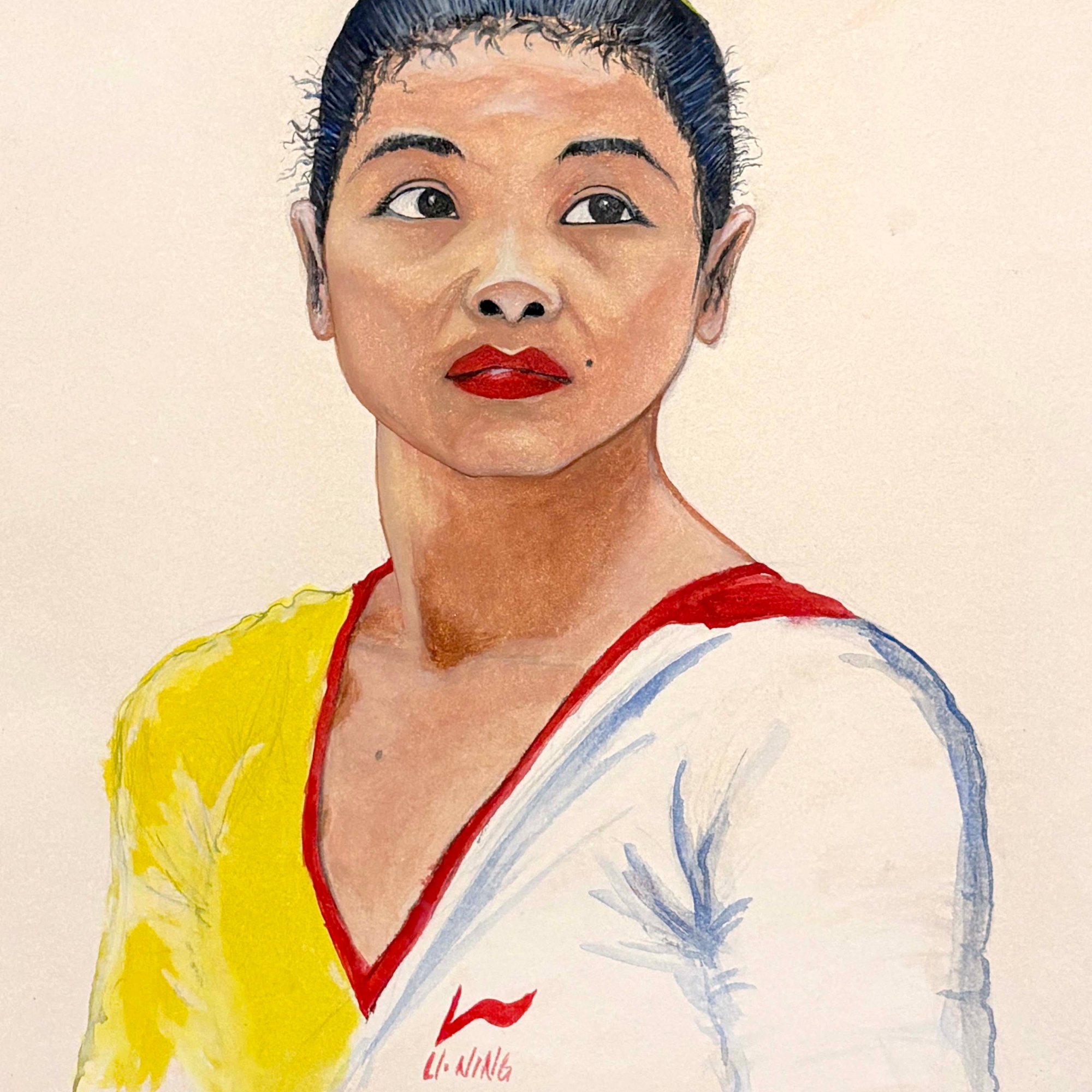
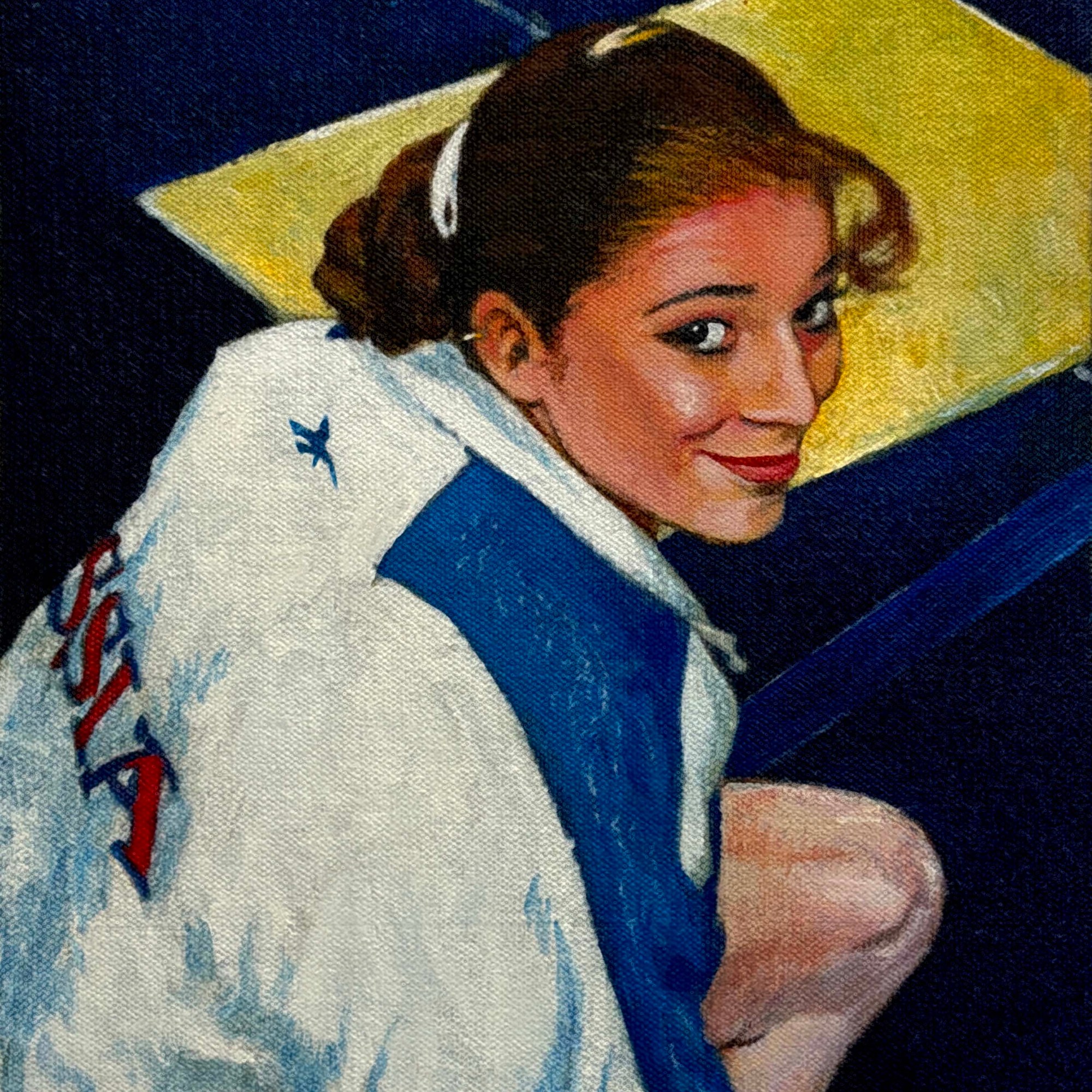
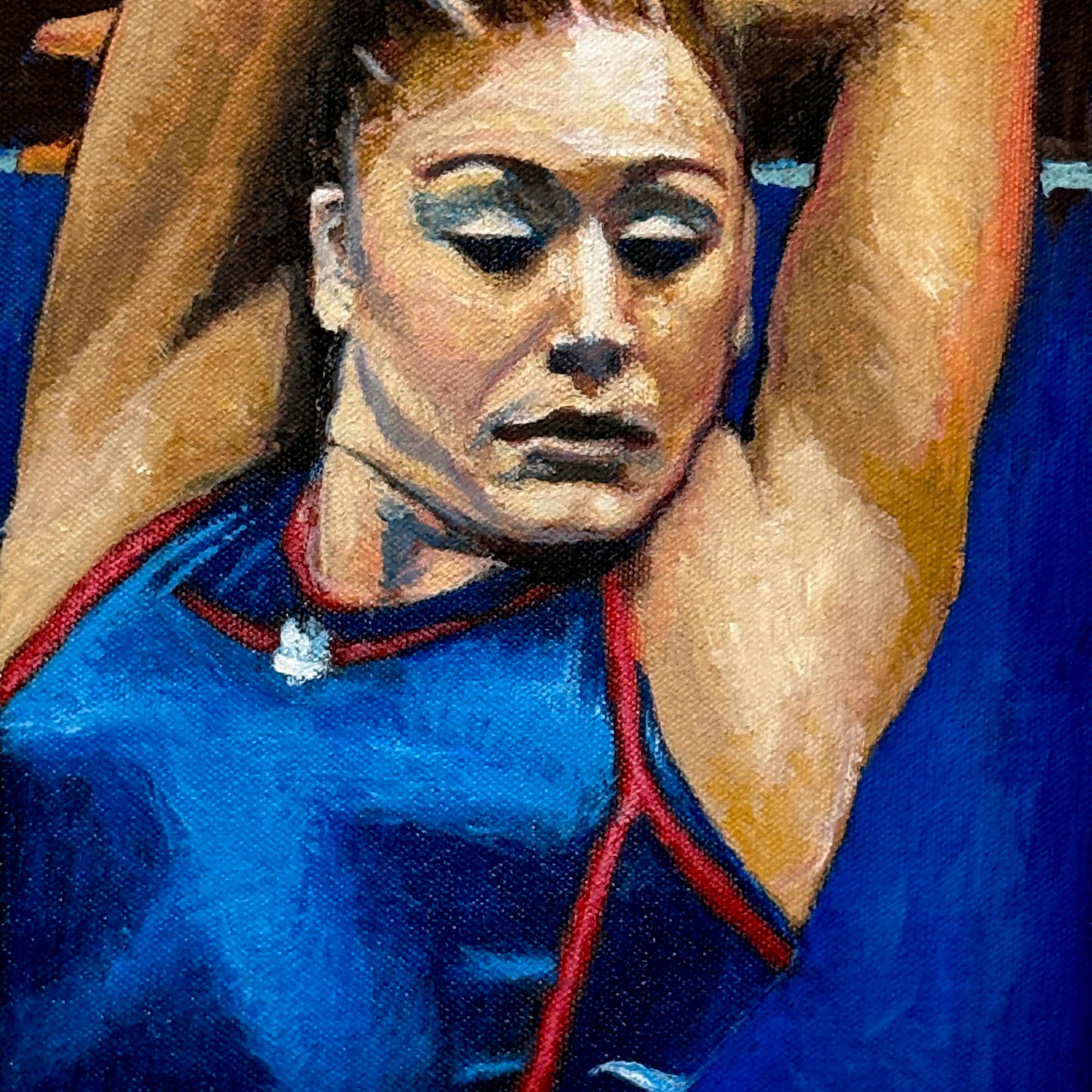
The images below are some of my favorites. I’ll have to search for some more of them in my files. I know I’ve done at least a dozen works featuring the great Yelena Produnova alone. The ones shown below are (left to right, top to bottom) Adrienn Varga (Hungary), Mo Huilan (China), Produnova (Russia), Jeanette Antoni (USA), another Produnova, Vanessa Atler (USA), Shannon Miller (USA), and Kim Zmeskal (USA). I’ve got a bunch of autographs, but really like that I got my drawings of Miller and Zmeskal signed by each (Zmeskal wrote a really nice letter as well).
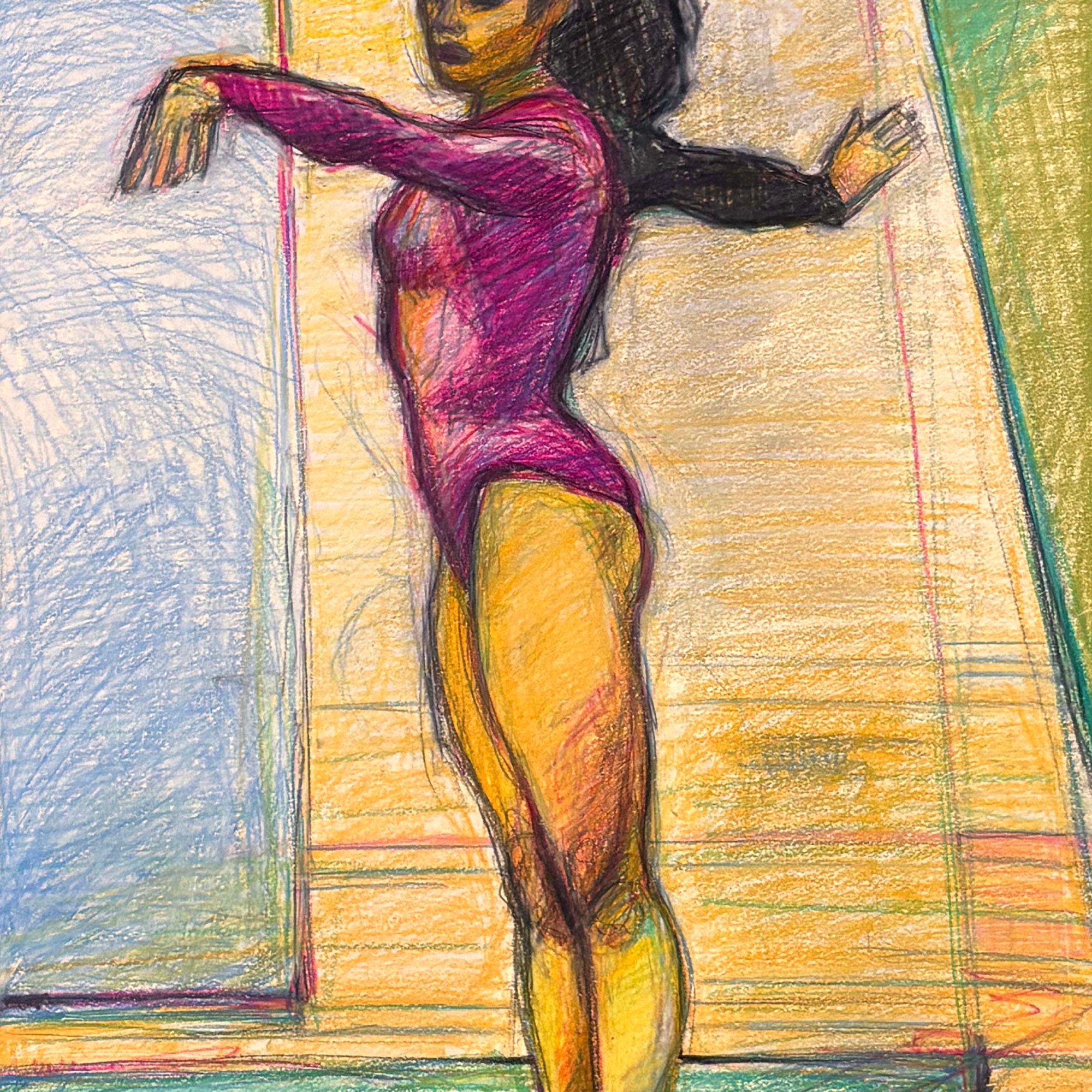
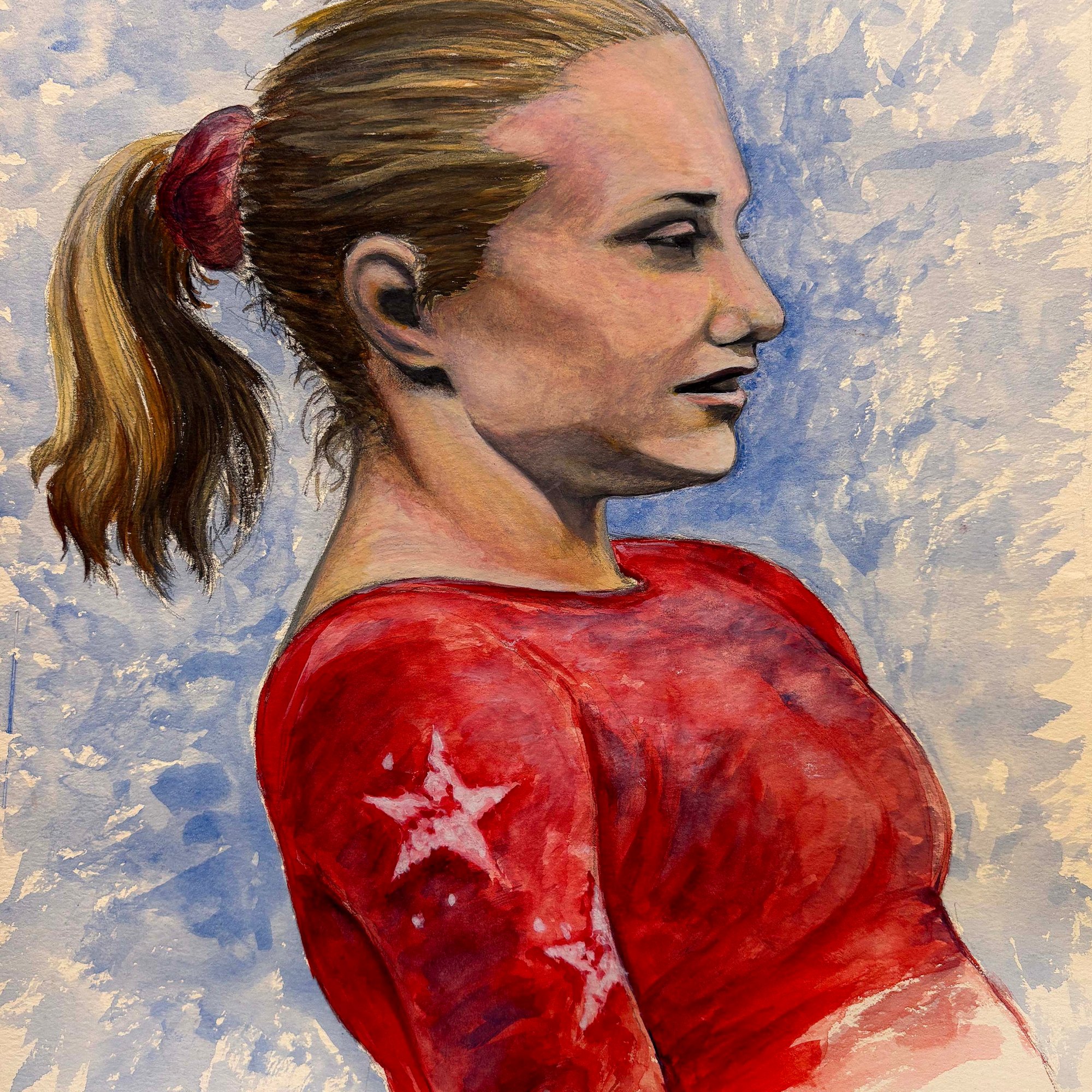
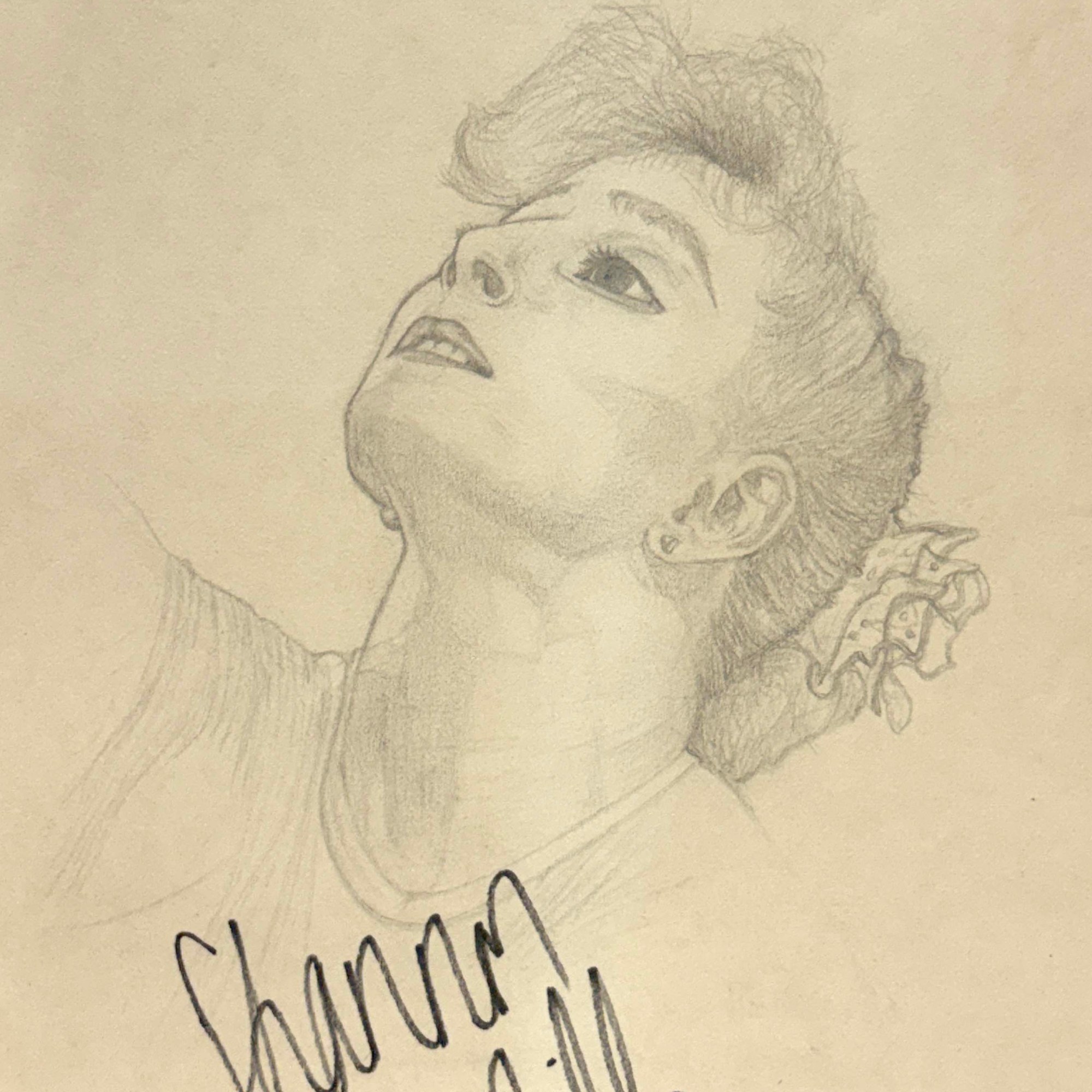
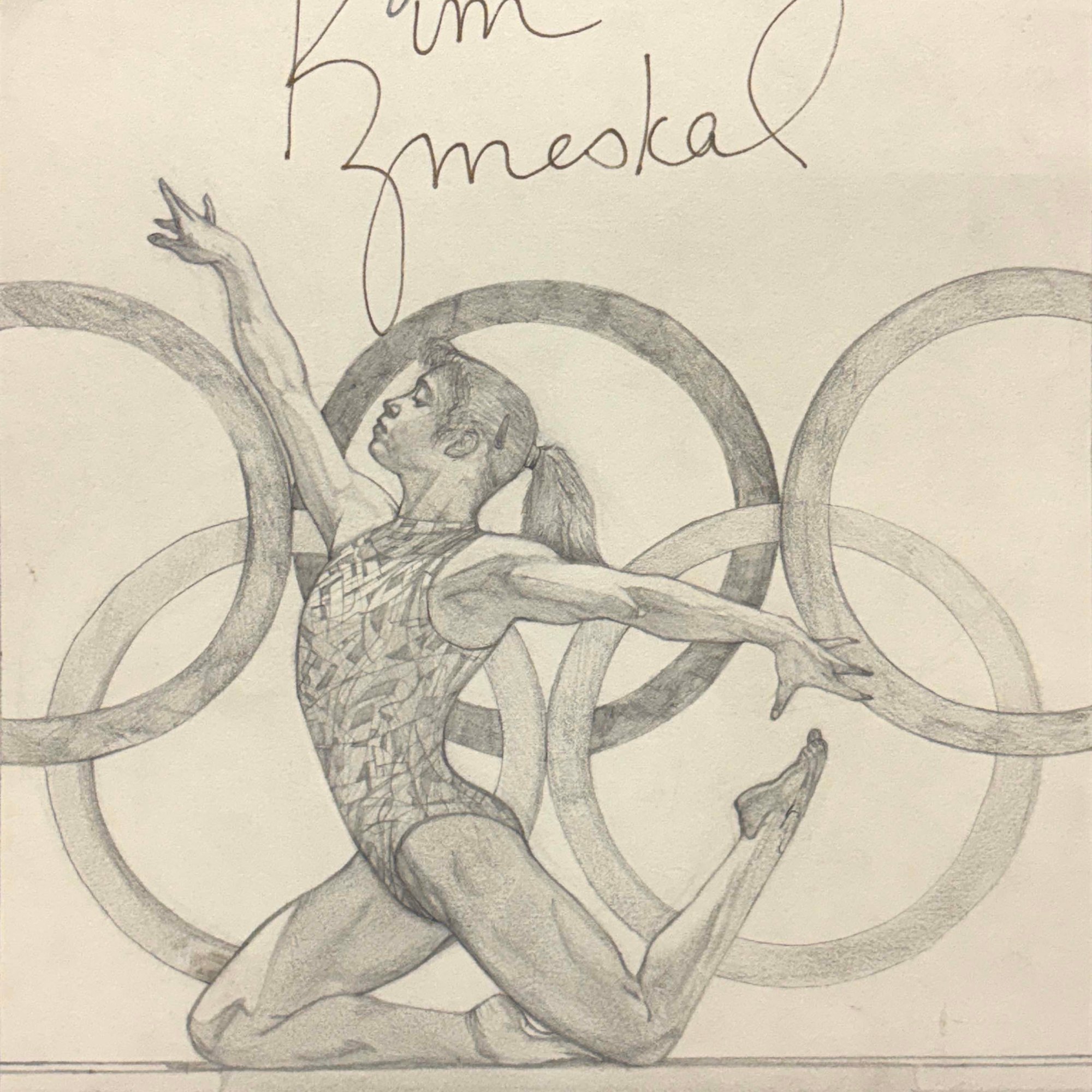
As a participant in the “gymnternet” back in the mid-90s, I bumped into a lot of people on a few message boards. In 1998, after messaging with Atler for a while, she sent me tickets to the National Championships in Indianapolis, IN that year. With questionable reasoning, I took a Greyhound bus from Utica, NY to Indy to attend the Championships and hang out with a bunch of people I’d only ever talked to in text on the internet. I ended up meeting Atler in person there, as well as a few other athletes. I also met the person who I’d eventually marry! Given all that I’ve gained from that trip, I’d say the payoff was pretty substantial.
Probably the biggest thing I ever did with my gymnastics artworks was having one shown at the International Olympic Committee’s Sport Art Competition Show at the International Olympic Museum, Lausanne, Switzerland (March – June, 2000). I haven’t laid eyes on that painting in over 25 years… I’ll have to dig it up sometime.
I still pay attention to gymnastics a bit and watch the main meets each year with my family. We also enjoyed watching the Mizzou (where I teach Drawing in The School of Visual Studies) gymnastics squad go on a good run the last couple of seasons. While I don’t really draw the athletes any more, the many hours of time I spent watching the sport and drawing from them gave me the chance to develop a strong sense of the human form. I credit much of my work in graduate school (Indiana University, 2005), where I focused on the body in tension, to my early studies of gymnasts. Also important were the many skills I developed in portraiture. In a sense, my current work for Mizzou Football has a root in these gymnastics artworks from so long ago.


