Celebrating the Genius of Miyoko Ito

I have mentioned the importance of Miyoko Ito many times before (here, here, and here), but there’s a little more to celebrate this Christmas day: I just received the new book Miyoko Ito: Heart of Hearts hot off the press.

Published by Pre-Echo Press, and featuring the research and writing of Jordan Stein, Heart of Hearts is the major publication that Miyoko Ito and her work deserve. Jordan Stein is an active and insightful curator who has developed a major presence nationally over the last decade. His research into and presentations on Ito are extremely significant, adding great depth to what is available on the artist.

Detail of Orange Cloud from 1977 by Miyoko Ito as shown in Heart of Hearts.

Loaded with chromatically accurate images, Heart of Hearts is the most complete compendium of Ito’s work available. Beyond this, the book provides a single place from which students and admirers of her painting can find all pertinent information about her life and process. Stein’s essay provides key context, deftly connecting Ito to not only her roots in the Chicago art scene but the broader aesthetic superstructure to which she belonged.
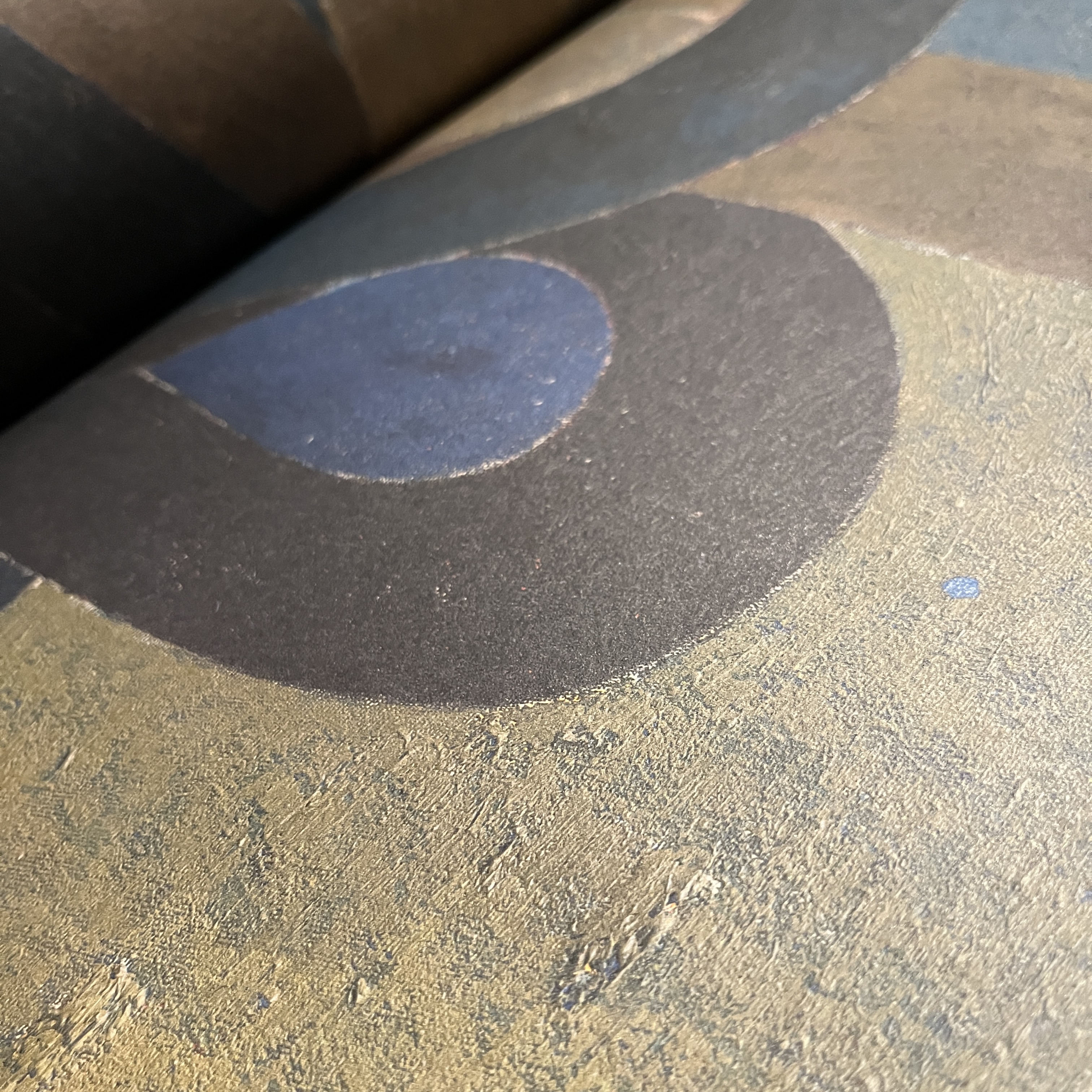
Detail of Susquehanna (The River) from 1959 by Miyoko Ito as shown in Heart of Hearts.

These two arenas – solid text and quality images – really set this publication apart. From the beautiful debossed cover (front AND back) to the matte surfaces of the large full color spreads, this book delivers. The sense of texture and painted action is wonderfully realized in these pages. I kept being surprised by the surfaces of the paintings coming to life. This is an ESSENTIAL book for anyone interested in mid-20th century painting generally, or Miyoko Ito in particular. To finally have one volume that really pulls it all together is just wonderful.


Front and back covers of Heart of Hearts.

This book is an appropriate celebration of Miyoko Ito as a person and as an artist. It includes nearly all of her work, some of which have been lost. While not technically a catalogue raisonne, it might be the next best thing, as it provides the most complete picture of her work that we’ve ever had. For this, we can thank Jordan Stein and Pre-Echo Press.

In my opinion Miyoko Ito: Heart of Hearts is the most important publication dealing with American painting since Yale’s four-volume catalogue raisonne of the work of Richard Diebenkorn. Go buy it.

RIP Barbara Rossi

Barbara Rossi. “Shep Step II” from 1973. Elmhurst University Art Collection

RIP Barbara Rossi, one of my favorite teachers. One memory:

Her old-school slide shows are legendary. One particular day the class sat in darkness as Professor Rossi went through slide after slide of her travels in India. She had amazing experiences around the world, but I found myself particularly fascinated by her images of street life there. Her eye for design and the presence of design in spaces was sharp and always curious. I’ll never forget the Coca-Cola signs she she showed that day.

They displayed economic/corporate colonization, yes, but also intimated a kind of cultural osmosis; they took on some essential Indian quality in spite of their western origin. It was the kind of thing I’d see personally many years later in China.

Professor Rossi turned my eye on in a real way, and maybe that’s the best thing we can hope for from our teachers. She (like Jim Lutes and Anoka Faruqee from around the same time in my education) is one of the enduring influences on my work and thinking.

PS: Her epic study of Indian painting, “From the Ocean of Painting: India’s Popular Paintings, 1589 to the Present”, was published in 1998 by Oxford University Press. Buy it here.

Subway Abstractions, Chicago

More than 20 years ago, when I first came to Chicago to study art at The School of The Art Institute of Chicago, the city shocked me. I was constantly in awe of the people, the exchange of pressure between the land and the lake, and the iconic architecture and spaces that mark this quintessentially American city.

I spent a good deal of time at subway stations and riding the L train rails. So much of what I remember about Chicago is from the vantage points the CTA afforded me. A lot changed in the years I spent there, and I witnessed a lot of those changes aboard the L or from the buildings where I took my classes at SAIC. I was always seeing through the modulating weather and variances of sunlight and season. It all kept my attention. Light, glass, rock, water, cloud, steel, snow, or asphalt; they all intrigued me.

My dad’s trusty Minolta was with me during those years, and I took many hundreds of photos. It was an attempt to understand what my eyes were being drawn to, and how my Eye – my aesthetic sense – wanted to see. It’s wonderful now, in looking back, to see how I was being developed (through education) and developing (through instinct and choice) the categories of judgement and intuition that would inform all of my work right up to today.

Among those photos is a series of pictures of empty signboards within subway stations. Often they would be left open for a while when advertisements were being changed out, but many times they stayed vacant for weeks on end. They had an austerity, and seemed to me to speak the language of modernist abstraction and abstract expressionism. What was interesting to me, beyond that formal similarity to intentionally crafted artworks, was that these were the result of the natural environment of the subway. The dust and grease and grime combined with blowing air – almost like a lung or the systolic/diastolic rhythms of the heart – to create strange inflow behind the placards of ads.

In other cases, workers who routinely painted around the frames designed to hold the placards, would inadvertently create dynamic fields of shapes via over-spray. This was a rhythm, too, a movement of maintenance and service reflecting the attempt to keep these arterial passageways operating. The spaces within the ad frames were a different kind of arena, moving at a different pace from the rest of the L train structures.

Thus that area behind the ads became a kind of palimpsest of the subway, but also of the city itself. The deposits of dirt accumulated in swaths of gray scale gradients. Intimately connected to the subway tunnel textures and layers of paint, the dust-fields were allowed to stick, protected behind ad boards for who knows how long.

Once revealed, these delicate, dirty paintings, which had been made by the trains and the people and the detritus of Chicago, held (it seemed to me) beauty. I loved them. I rode the L looking for them at every stop. I took dozens of photos. Perhaps one day I’ll try to publish them in a better form – I still have the original negatives, after all – but for now, I present a few of them here.

Restraint & Limitation Returns

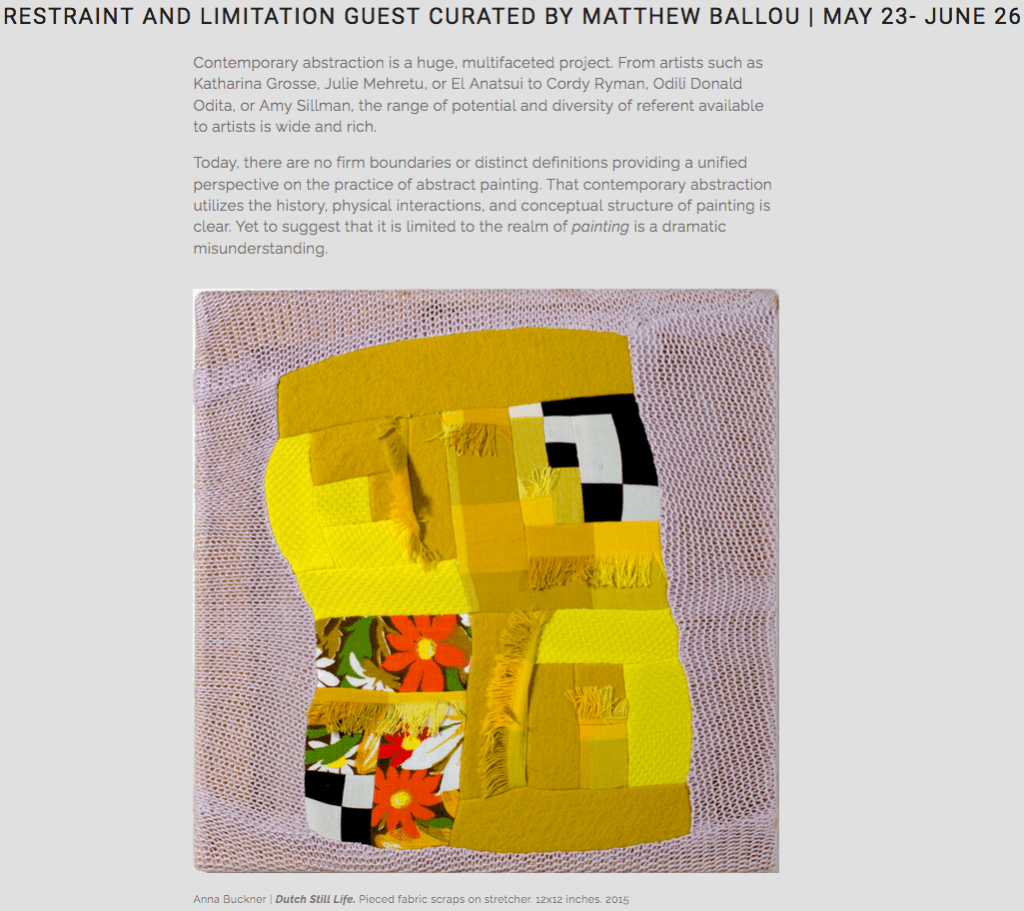
Finally, after some serious delays because of COVID, the Chicagoland iteration of my curatorial effort Restraint & Limitation is taking place at the Riverside Arts Center.

The exhibition features the work of Anna Buckner, Sharon Butler, and Magalie Guérin. Click above to read more about the show and its themes. To see other included artists, look below:

Sarah Arriagada

Dugallou Collaboration

Michael Hopkins

Erin King

Elizabeth Powell

Elise Rugolo

Sumire Skye Taniai

Simon Tatum

Jennifer Wiggs

I’m very proud of this show and thankful in particular to Anne Harris for helping me to bring it to fruition.

Featured image above: Detail of Wiggle Room by Elise Rugolo.

Miyoko Ito

Miyoko Ito’s work has such intense gravity for me. In the midst of the high strangeness of our time I find solace in her works.

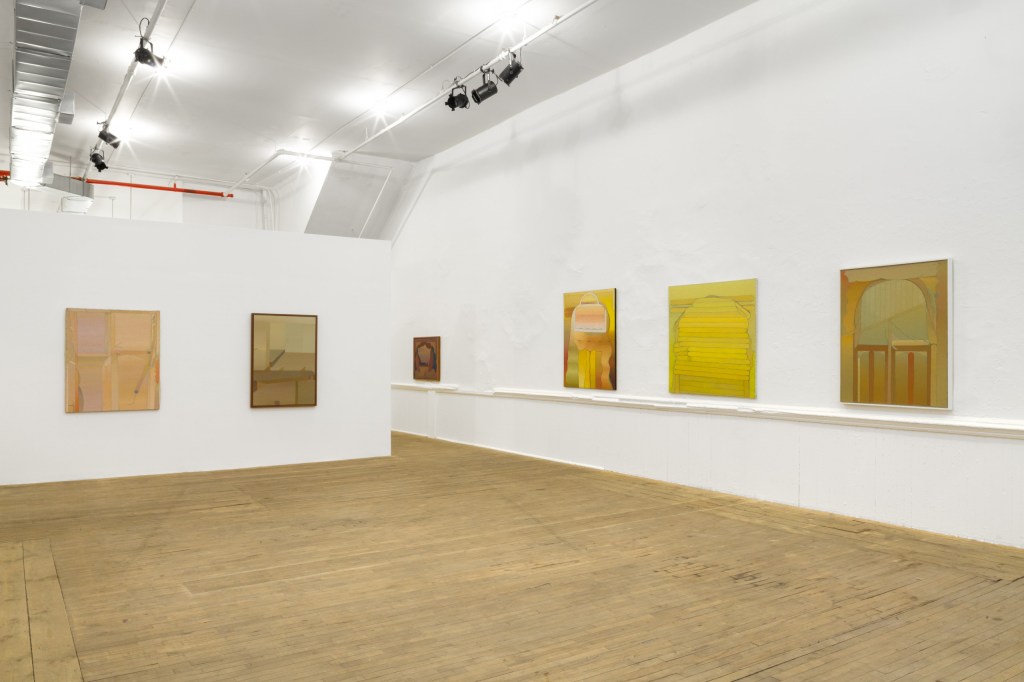
Six paintings are hung on white walls at eye level. The paintings contain muted and vibrant warm colors depicting abstract shapes.
Miyoko Ito: Heart of Hearts. Installation view, Artists Space, 2018. Photo: Daniel Peréz.


The only major professional goal I have left is to work on an exhibition or book about her work. It is a crime that we have dozens of books on the likes of Richter or Pollock but really only a single TINY volume on Ito – and it’s currently out of print.

Here is a review of the last major exhibition of her work: Light Effects: On Miyoko Ito’s Abstract Inventions, from The Paris Review, 2018. The most significant exhibition exploring Ito was mounted in 2012 at Veneklasen Werner in Berlin. Go here for a great selection of exhibition shots.

Miyoko Ito’s work hanging above the stairwell in the Roger Brown House, Chicago.

I first encountered Ito’s work in person at the Roger Brown House in Chicago in the fall of 1999. I spent a good deal of time roving around the Chicago area to see all the Ito’s that are available in and around the city.

One of my main teachers at the School of the Art Institute of Chicago was Barbara Rossi. Rossi is an incredibly influential artist and educator who knew Ito and impressed me with her own work and her knowledge of the contexts surrounding art making in Chicago.

In 2015 I got close to arranging an exhibition of Ito’s lithographs but could not secure proper funding and loans of works. I’ll try again sometime soon. In that process I began to correspond with Vera Klement, a contemporary of Ito and a paragon of Chicago art. Via email interviews I got some fun backstory on the life and times of Ito, Rossi, and Klement. I’d love to get the chance to explore these artists and their works again.

Gradient red and green, curved and cusped shades. A red pointed mound sits atop a pale green inverted triangle inside angular red and green rectangles.
Miyoko Ito, Island in the Sun, 1978. Oil on canvas, 38 x 33 inches.

YNGWIE in CHICAGO

The show flier, my ticket stub, and a guitar pick that Yngwie flung into the crowd. I’ve kept these things all this time…

On this day 20 years ago I was in the House of Blues in Chicago, having walked just a few blocks from my dorm on Michigan Avenue (It’s now classroom space, not dorms, but I kept my elevator floor sign before the demolition started).

I’d only been in the city a short time. This was my first trip out for a concert – OK, sure; lame choice. From my room across from the Art Institute it was just a short walk west, then north over the river, toward the “corn cob towers.” Just a few years later they’d be featured on the iconic Wilco record Yankee Hotel Foxtrot. If only I’d been to see them that night.

Yngwie was effervescent and shrill that night. Loping around the stage, posing before his stack of Marshall amps, and gratuitously clanging his numerous bracelets and bangles against the neck/fret board of his trusty Strat.

He was bursting from his leather? vinyl? spandex? pants. He was in full hair-band-era-cry. Hair teased so high, chest exposed by some combination of V-neck shirt or vest or Pirate jerkin… who knew?

In any case it was glorious. Furious. SO. LOUD. Riotous and ridiculous and raw. He gave his all, flinging guitar picks and sweat with abandon. My ears RANG for hours after, and were even stunned the next morning. It was epic. I can still recall the feel of the cool midnight air chilling me as I rushed back to my dorm room for a smoke and a reprise of Rising Force.

Yngwie. So many arpeggios, so little time.

From Then Til Now

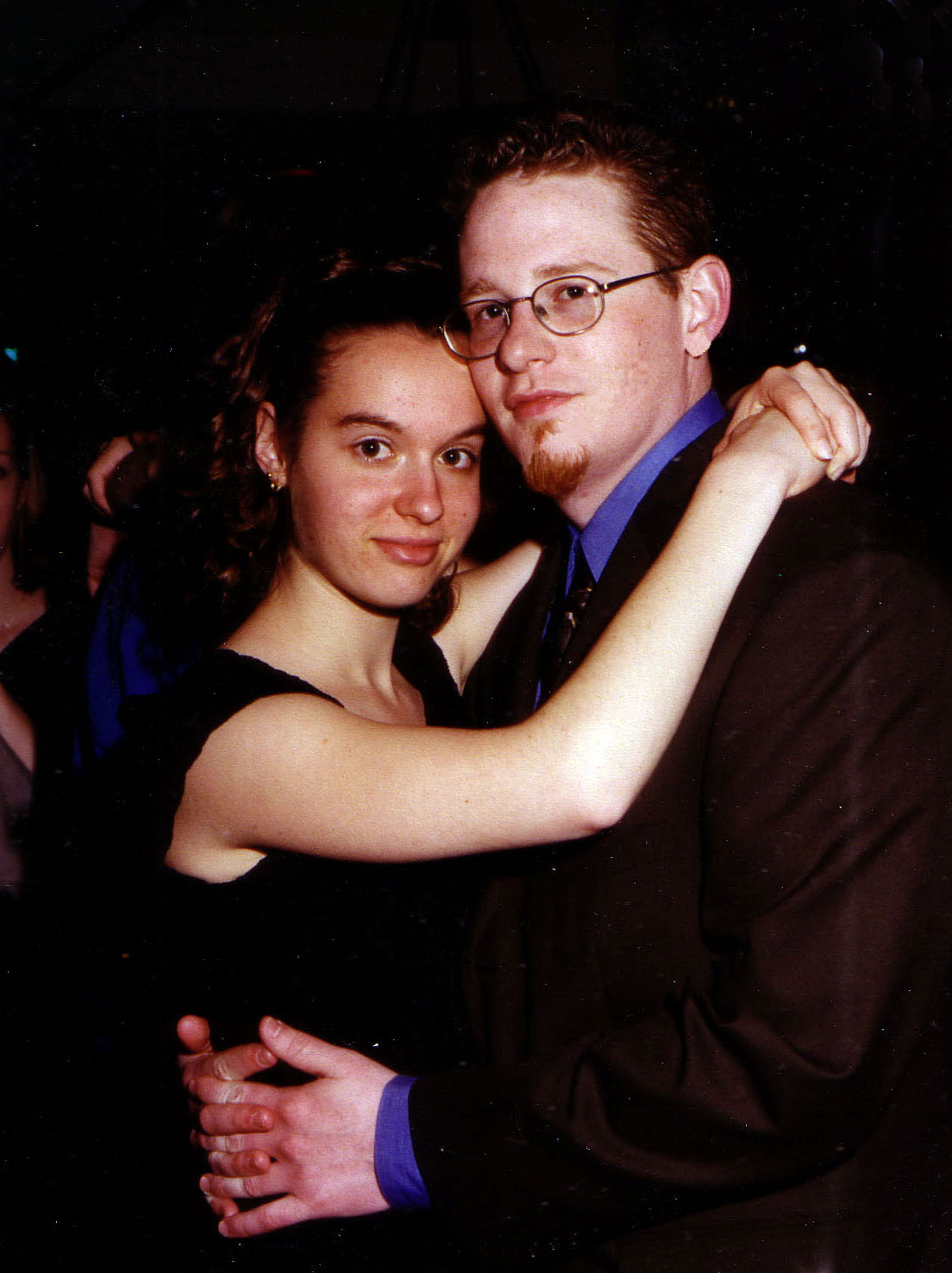
Twenty years ago today I met my future wife for the first time… she had just turned 16 the day before.

Hard to believe from looking at this image that we would end up becoming friends, dating, marrying, and traveling the world on weird adventures…

We had this amazing few years I like to think of as “The Cute Years” – when I was still a beautiful baby. She’s always been a beaut. Look at this:

Undergrad Date Nights…

The night was sultry… SULTRY, I SAY!

SO INNOCENT!

Being six years older than her, I was able to go to both her high school dances AND her college dances… I’m not sure what we were thinking with that garter thing… hmm…

Ah, Chi Omega, the cult sorority that Alison was in back at Northwestern…

We did fun things, like attend fish-eyed art openings…

…and read aloud – A LOT. How many books have we done this way, honey?

Through it all, it was you and me. Twenty years. There’s been a lot of hard stuff, but a whole lot of good. I’m so grateful for you.

xoxoxoxoxo

The Glorious Structures of the Art Institute of Chicago

A couple weeks ago I had the joy to walk through some of my old haunts in Chicago, the city where I spent many years from 1999 on and where I completed my undergraduate degree (at the School of the Art Institute of Chicago).


The State/Lake L stop, near one of the buildings I lived in back then.

Anytime I get the chance to be in Chicago – even if for only an hour or two – I really like to get into The Art Institute. I had a quick series of missions that day: see the AIC, visit a former student of mine (and get a tattoo from her!), and see my friend Jake, who is recovering from a heart transplant (please click here to support his ongoing, 24/7/365 care). Not much time, but I made the best of it.

As I walked through the museum I was struck again by the beauty of the building itself. Here are just a couple shots of the rafters above the great stairs, the stairs themselves, and the majestic old wood floors of the main galleries… many memories made there.


Man, I love that place. Here I am with one of the lions… I'm very thankful to my wife for making this short day trip possible ❤️

New Books

I’m always on the look out for new books to add to my collection. As an artist and educator, I know there is something wonderful about the physical feel of a book, the way the pages smell, and the beauty of a really high quality reproduction. Recently I’ve added the Diebenkorn Catalogue Raisonne, a wonderful investigation of Hilma af Klint, and some other texts. A few of the new books are listed below.

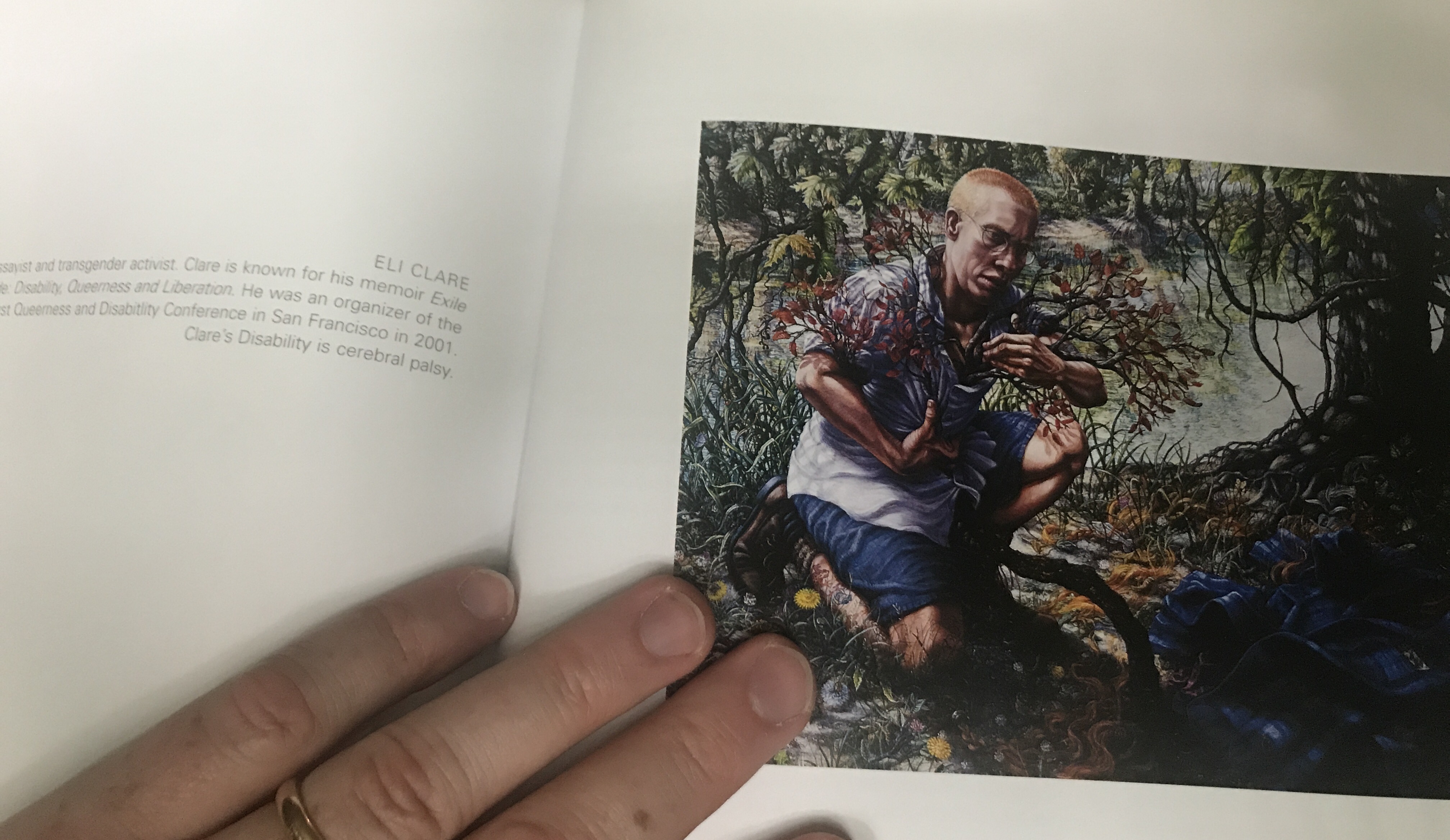
Riva Lehrer – Circle Stories

Riva Lehrer is a profoundly important Chicago-based artist who has worked on disability and identity for her entire career. Circle Stories, put out by Gescheidle in 2004, is a wonderful way to introduce her work to my students and to commemorate the power and presence of her work. The portrait of Rebecca Maskos (above) is particularly special to me, as one of my daughters has osteogenesis imperfecta.

I appreciate the leanness of the book. The statements are direct and clear. The images are evocative and give an indication of the passionate work and depth of feeling that Lehrer brings to her painting.

~

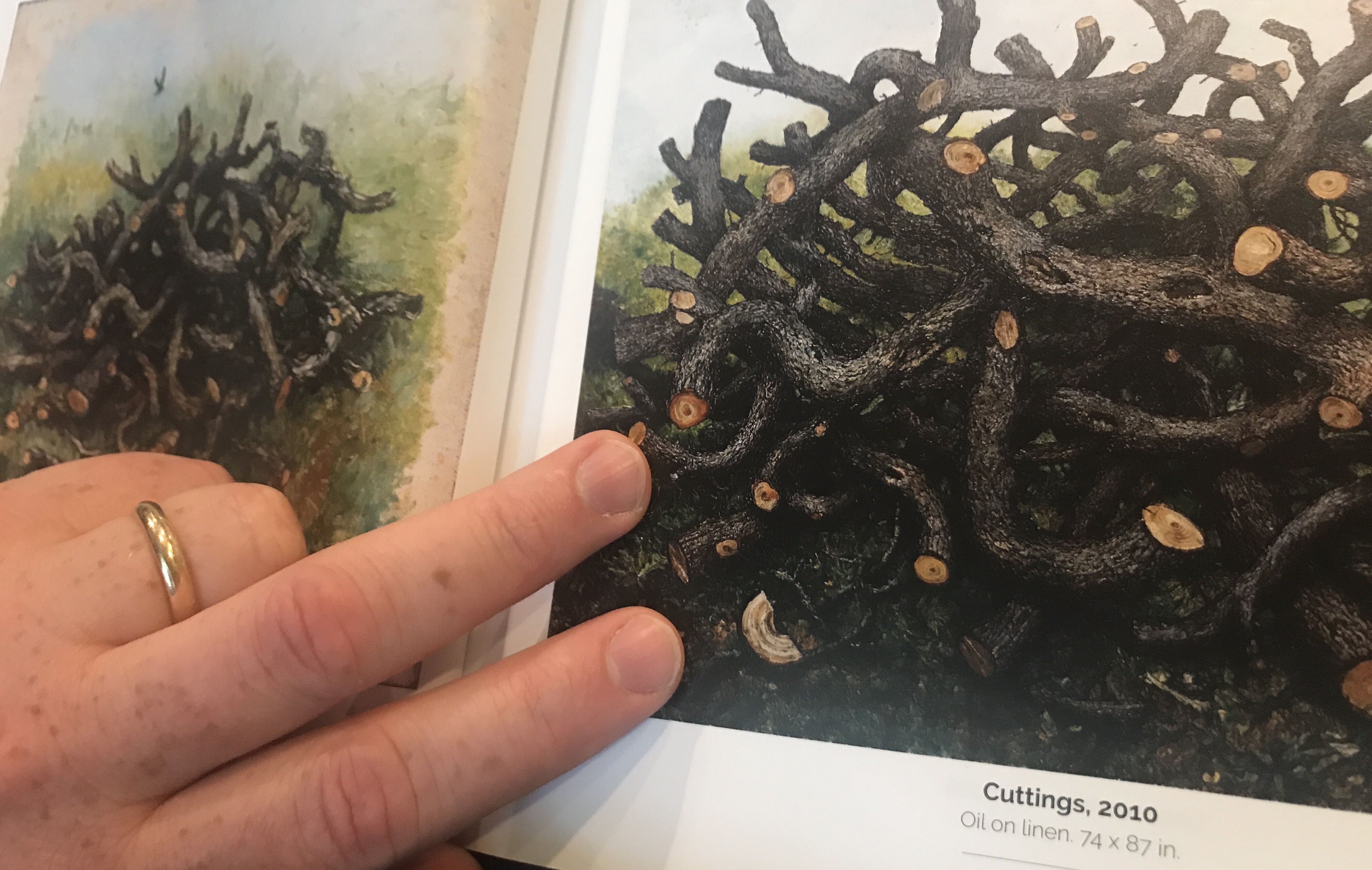
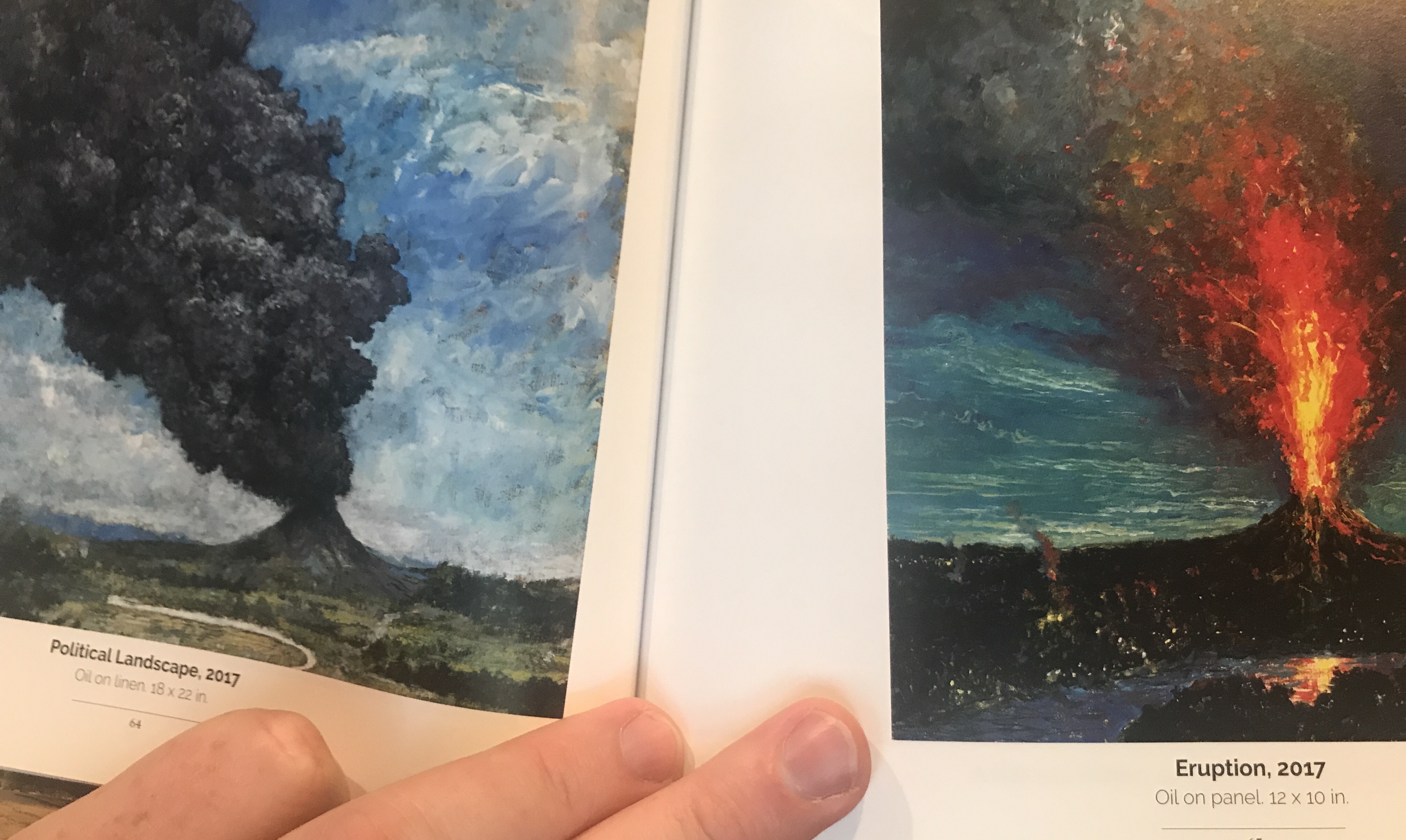
Chester Arnold – Evidence

I love Kelly’s Cove Press, a small publisher focused on California and Bay Area artists. Their Squeak Carnwath and Diebenkorn books are, to me, essential viewing for painters. I REALLY hope they plan to publish something on the drawings of Manuel Neri or the wonderful paintings of Kim Frohsin sometime soon.

In this book, the work of Chester Arnold is featured. There is a wonderful play between smaller works and larger, more realized pieces in the design flow of the book. Covering a number of decades, this is an ideal introduction to Arnold’s work for those of us who aren’t as familiar with it. Frankly, I was blown away when I received the book. Arnold’s handling of narrative structure and symbolic force is rare. So much of contemporary representational painting pays lip service to story and metaphor without the depth necessary to deliver an image of lasting power. Chester Arnold really hits home with these paintings, and he’s been doing it for decades.

Arnold’s manner of painterly facture, compositional array, and use of symbolic objects and associations strongly reminds me of the great Maine-based artist Robert Barnes, as well as the frenetic interiors of Gideon Bok (also working out of Maine). What an interesting show these three would make together.

~

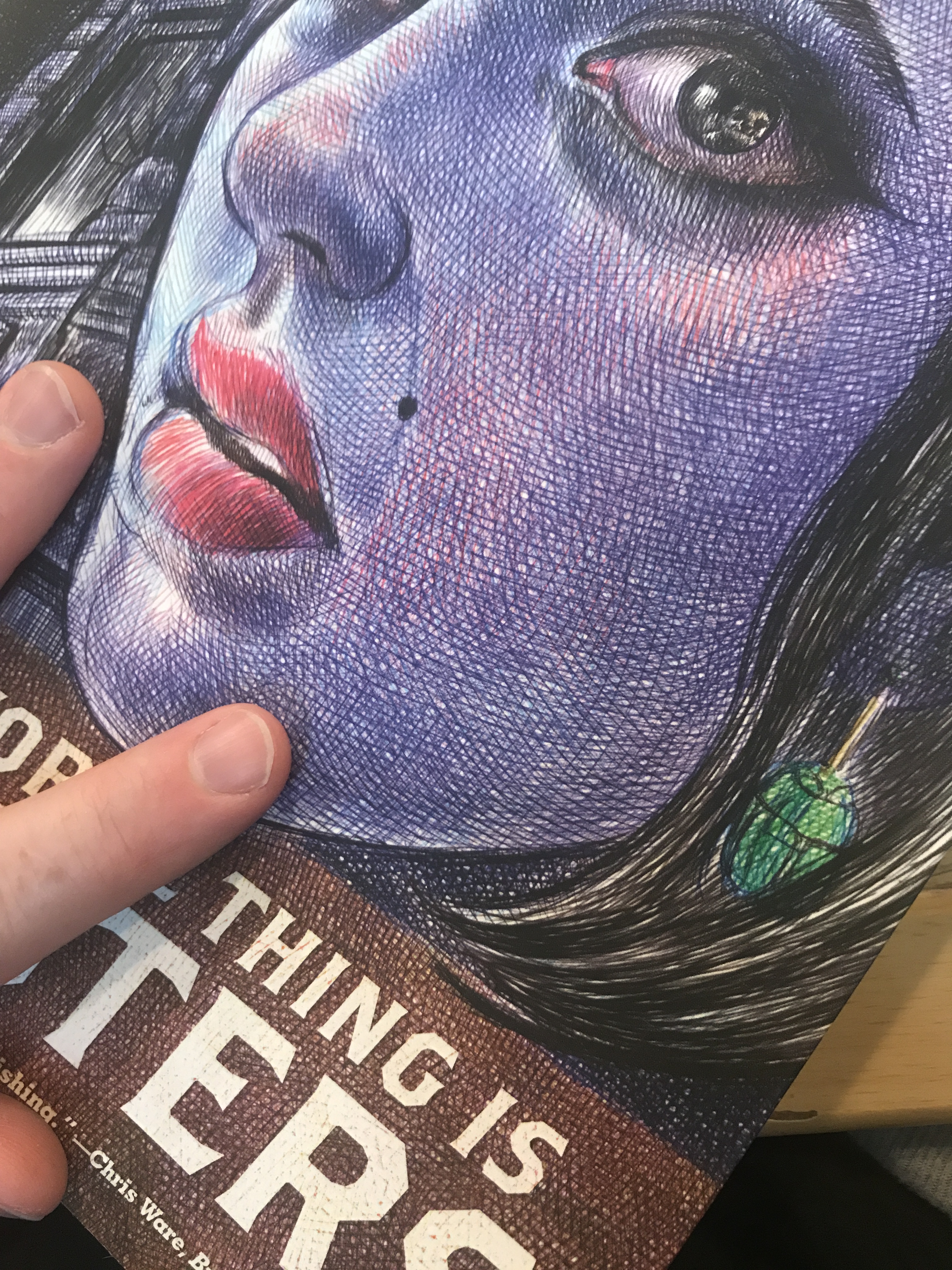
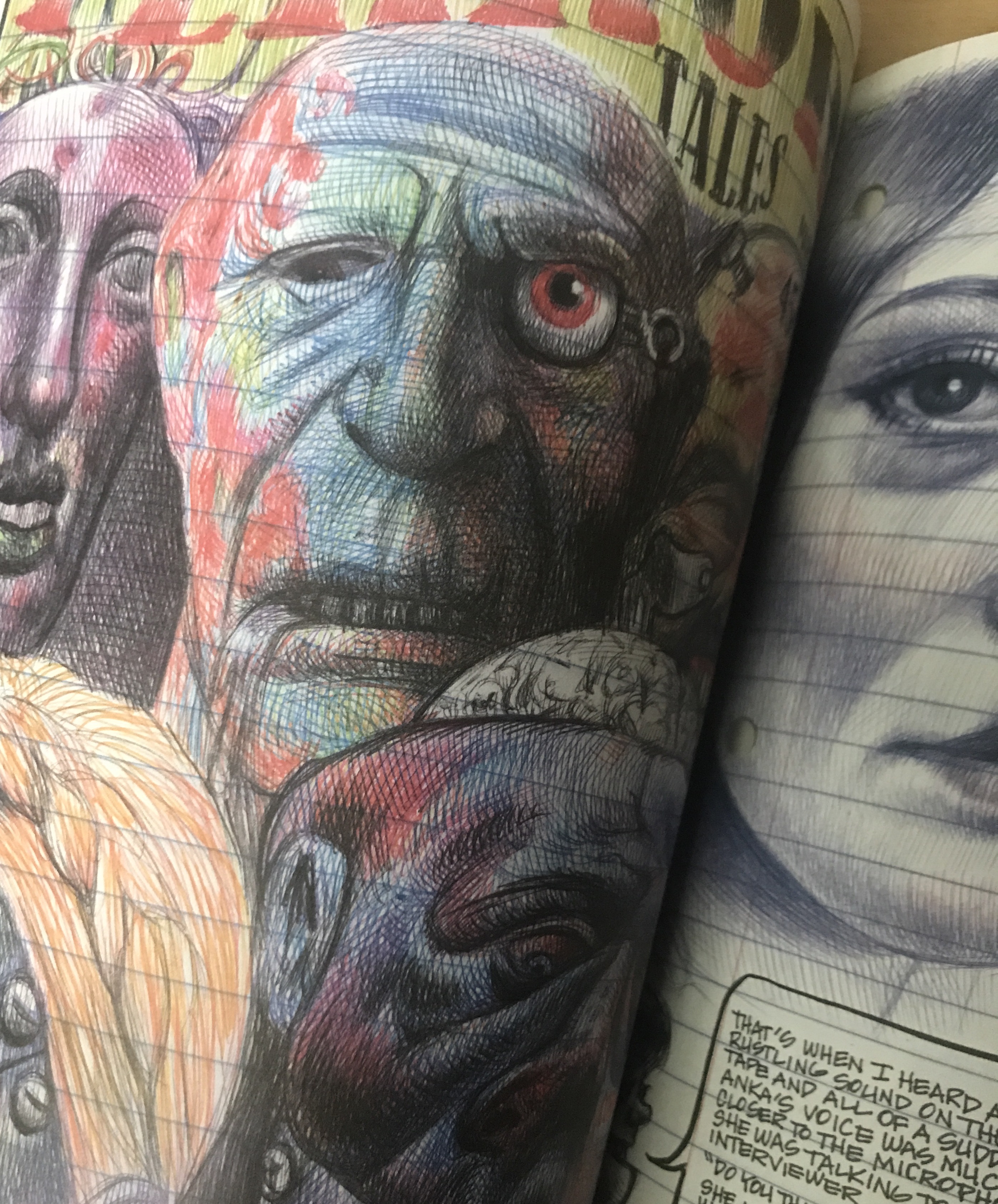
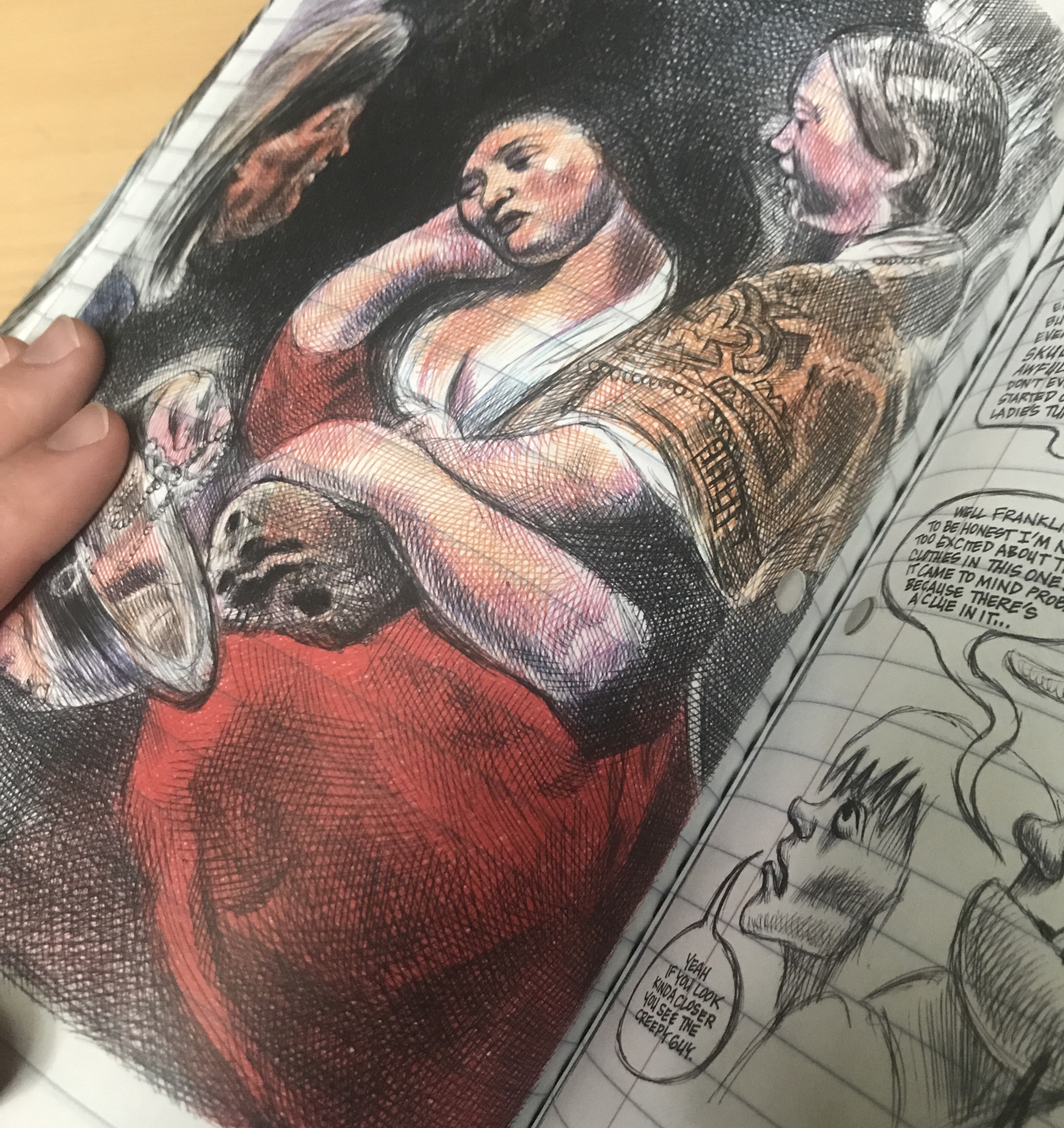
Emil Ferris – My Favorite Thing Is Monsters

Ms. Ferris is a force of nature, and her first graphic novel is set to become legendary.

Every single page is a wonder to behold. The story moves with a familiar strangeness, recalling the moodiness of fellow Chicagoan Chris Ware’s work. It’s also an ode to the Pulp Era and Hammer Horror films. The artwork feels so close to the artist’s hand – the line quality and the sense of notebook paper (complete with “holes” for a 3-ring binder) are astounding. Ferris’s use of ballpoint pen exists here as both a limitation and an extravagant, magical tool.

I also really love how Ferris constantly brings art history into her work as a real player in the story. She does this particularly with art that’s readily available to be seen in Chicago. The city, its buildings, its people, and its art are all palpably present.

My suggestion would be to listen to the fantastic profile conducted by NPR here. I think you’ll find yourself as compelled as I was, and you won’t regret picking up this phenomenal book.

~

Chris Ware, Ox-Bow, and a Drawing

Back in 2001 I was awarded a Fellowship Residency at Ox-Bow in Michigan (you can read more about that transformative time here). This was a time before browsing the internet by phone from basically anywhere was even possible; hell, I didn’t even have cell coverage there. There was only one internet connection accessible at Ox-Bow and that was via dial-up.

In the Inn (before renovations that happened back in 2004 or 05), there was a small desk tucked into a corner where people would use the phone to call home or connect their brick-like laptop to the web for a few minutes. I had quite a few late night phone chats there with my then-girlfriend/now-wife after which I’d use the phone jack to log into my email for a sending/receiving session.

One evening I walked into the Inn to see Chris Ware sitting at the desk, talking on the phone, and making a small drawing on a scrap of paper. Mr Ware, a famed-though-awkward comic book artist who had created the fantastic Acme Novelty Library series and the graphic novel Jimmy Corrigan, the Smartest Kid on Earth (Among many works. You should look at them – they’re quite profound and beautifully made) was at Ox-Bow to give a talk. And there he was: silent, hunched, and seemingly distracted from his phone call. His pen moved gently, pensively. His paper skittered over the pitted wooden desktop.

We – those who had to use that desk and that phone because no other forms of communication with the outside world we available to us – had been used to sketching absentmindedly while sitting there. I had drawn many a cartoon self portrait during that summer. Often our drawings would join together, becoming layered time capsules consisting of blue and black ink. Mr Ware’s sketch was added to the desk drawer to be subsumed into the mass of other drawings.

Some time later – a day, a week – I found myself rooting through the drawer for a paper upon which to put my jottings, and there was Chris Ware’s drawing. On a 4 by 3 inch scrap of Ox-Bow map (verso) a weary figure, perhaps bemused but certainly full of existential angst (a stylized self-portrait of the artist?), sat before an anachronistic rotary phone. The expression of the man, the drawing’s line work, and the overall feeling of the piece are all quintessential Ware.

And so, here it is for your enjoyment:

ChrisWareDrawing2001Both sides of a piece of paper with a drawing by Chris Ware on it. Ink on paper, approximately 4 by 3 inches, 6/21/2001.