Bobby Schembre is a pastor, musician, questioner, lover of fine bourbons, and grill-master. In many ways we are different, but in many ways we are very similar… from the deepest hopes we harbor to the sorts of challenging questions we explore. Last week Bobby agreed to be a part of my “Becoming the Student” project. I greatly looked forward to our conversation. We moved through some intense existential territory over the course of our 2+ hour session. Some topics we touched on were: Pink Floyd and spiritual awakenings, how to understand the taste of bourbon and scotch, the nature of musical liturgy in contemporary Christianity, the glory and grace of our wives, and our experience of scientific awe.
Here is the resulting portrait:
 Portrait of a Man (Bobby Schembre, 2/24/2014). Pastel on Stonehenge Paper, 22 x 24 inches, 2014. (Click for enlargement)
Bobby on musical liturgy and storytelling:
“I love the fact that we talk about how God is holy and untouchable and yet He’s here and gracious. It doesn’t make any sense really. Or that He’s indescribable and infinite and then we turn around and spend the rest of the service describing Him.”
“Part of the reality for me is that I can’t believe the bible or have a real experience of Christianity without being OK with deep tension. Everywhere, everything has a balance to it. Everything has a paradox involved in it. Nothing is just something you could put in a box and tie it up neatly and say, ‘I’ve got this.’ When we explore something about God there’s something else that makes us think, ‘well, what about this?’ And so one of the things I’m always thinking about in creating a musical liturgy is how can we expand the way we think about God, uphold the paradox, and marvel at the paradox of God.”
“I’ve been pondering my job as a ‘worship leader’ – which is just something we’ve made up – you know, what is this? I think part of the answer is that I’m a storyteller. I’m helping people think the story and sing the story of the gospel. It’s practicing a pattern.”
Bobby, with his manly beard and barrel chest reminds me of a few other bearded big men of history…
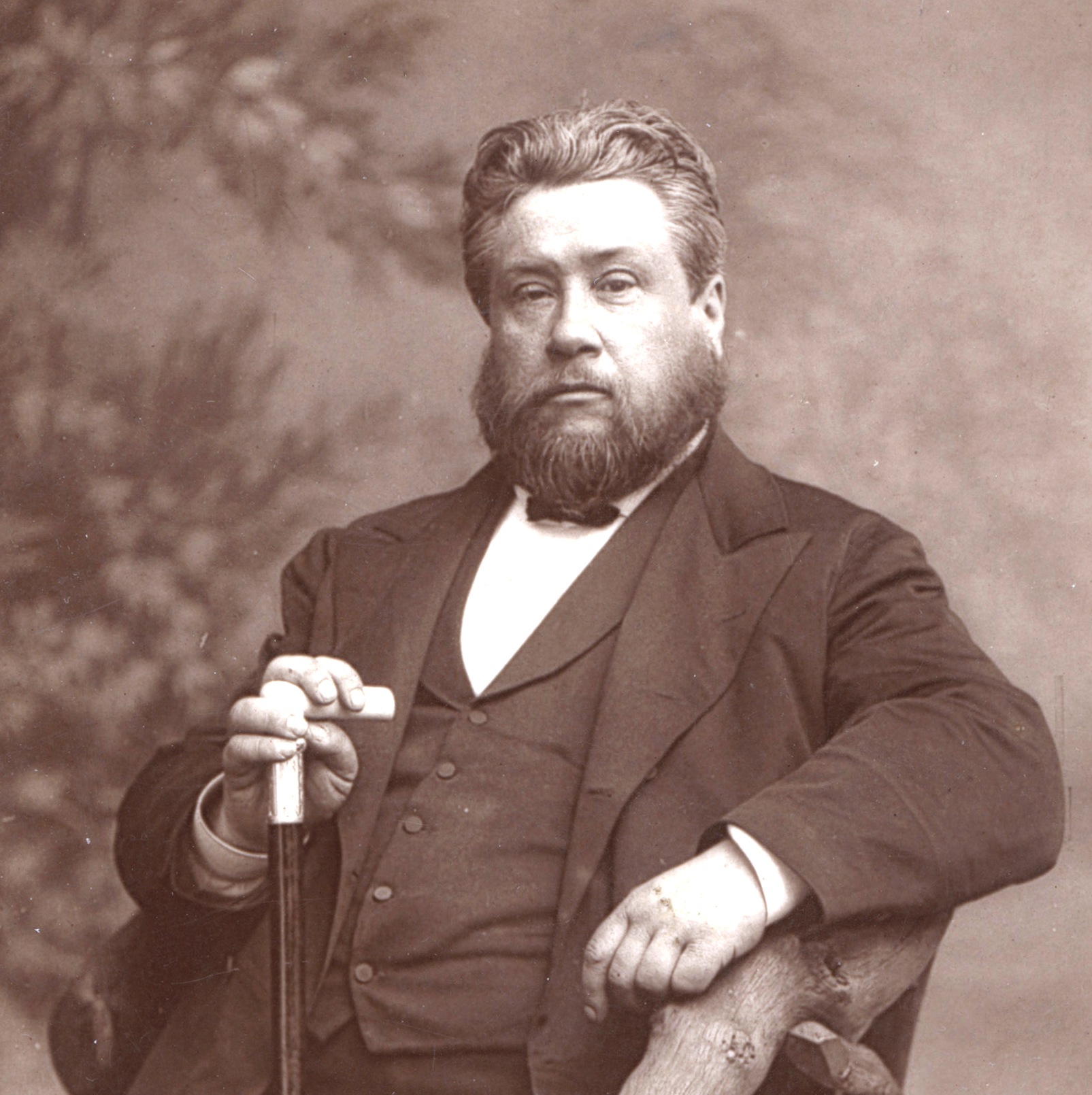 Famed Christian pastor and author, C.H. Spurgeon
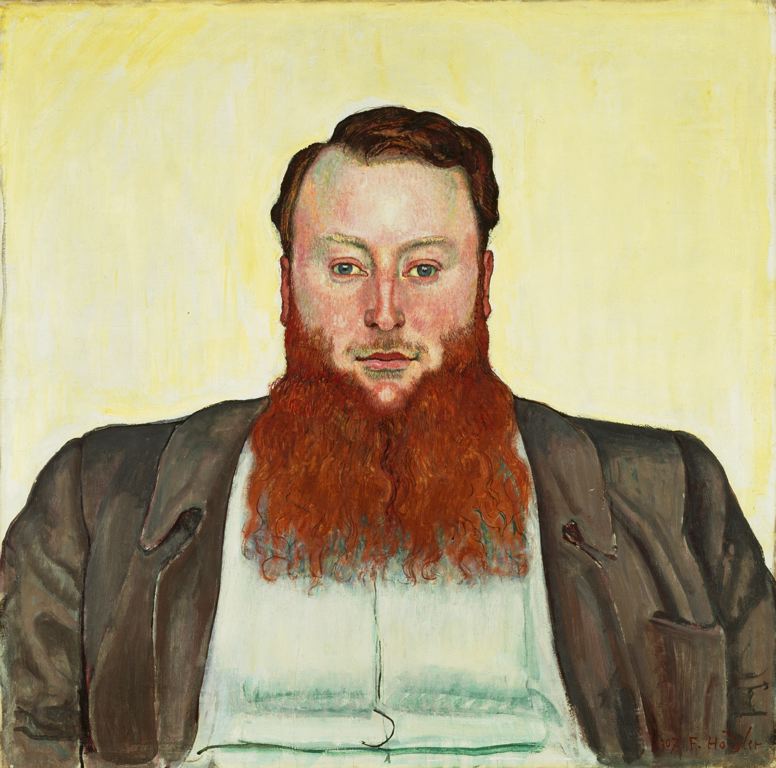 Sculptor James Vibert by Ferdinand Hodler
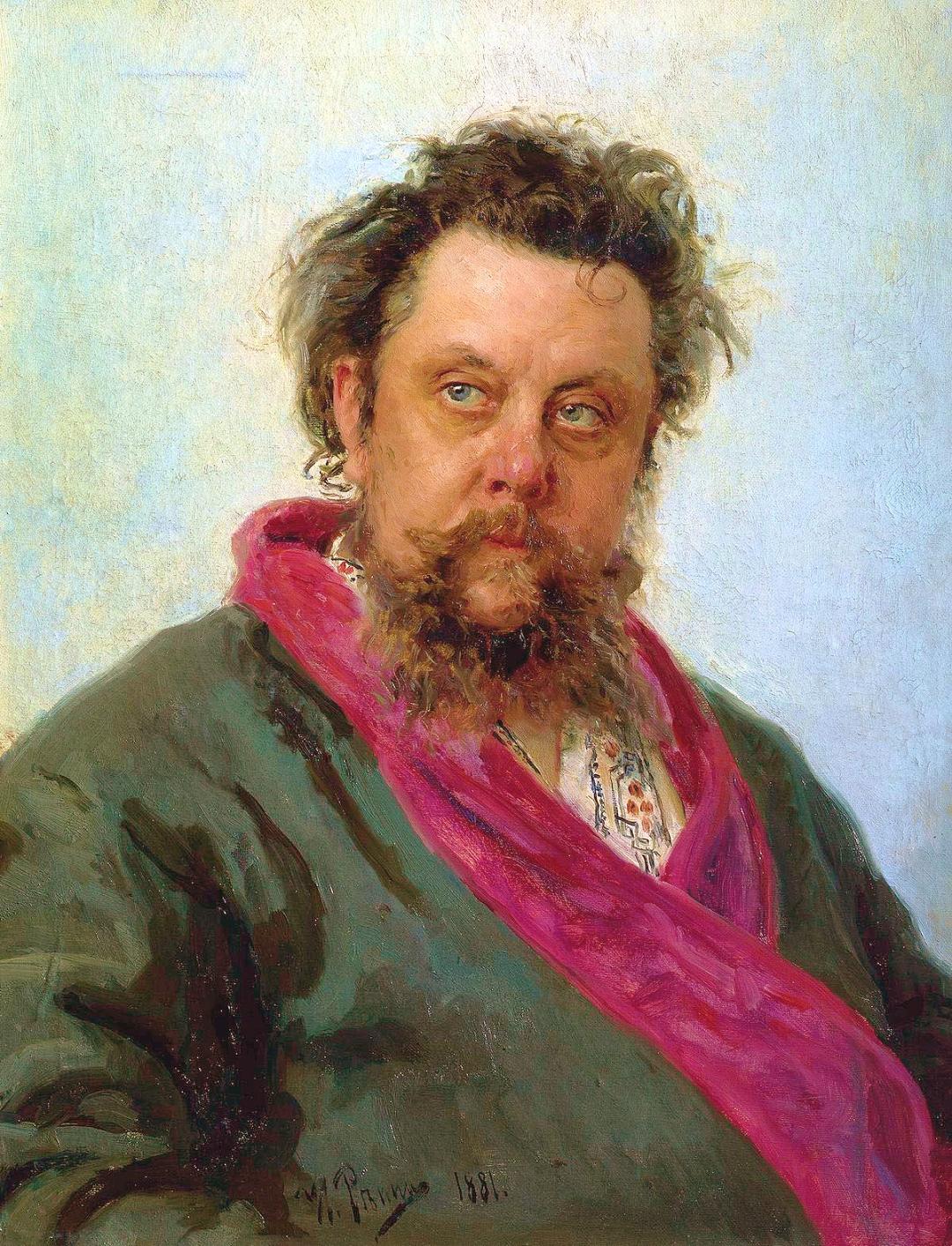 Russian Composer Mussorgsky by Ilya Repin
~
Thanks for being a part of this portrait series, Bobby!

 eikonktizo