Two New Books

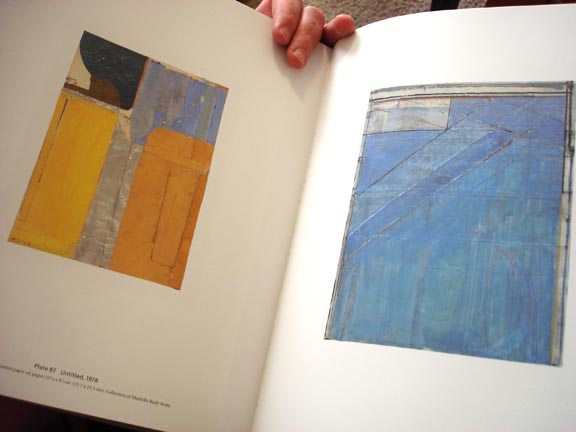
First off, I received my new Diebenkorn book this week. Richard Diebenkorn: The Ocean Park Series is lush (in design), expansive (it contains many reproductions), and – best of all – it’s full of never before seen (in broadly-published form) paintings, prints and drawings. I’m doubly charged up by this book since I (and one of my students, Marcus Miers) are heading down to Fort Worth to see the Diebenkorn show next week!

Also, my own slim tome – 62 pages, 9 essays – just came out, published by Neoteric Art in Chicago.

It’s available in standard paperback version and in an ereader version. It should be up on Amazon in a few weeks as well.

Some New Things

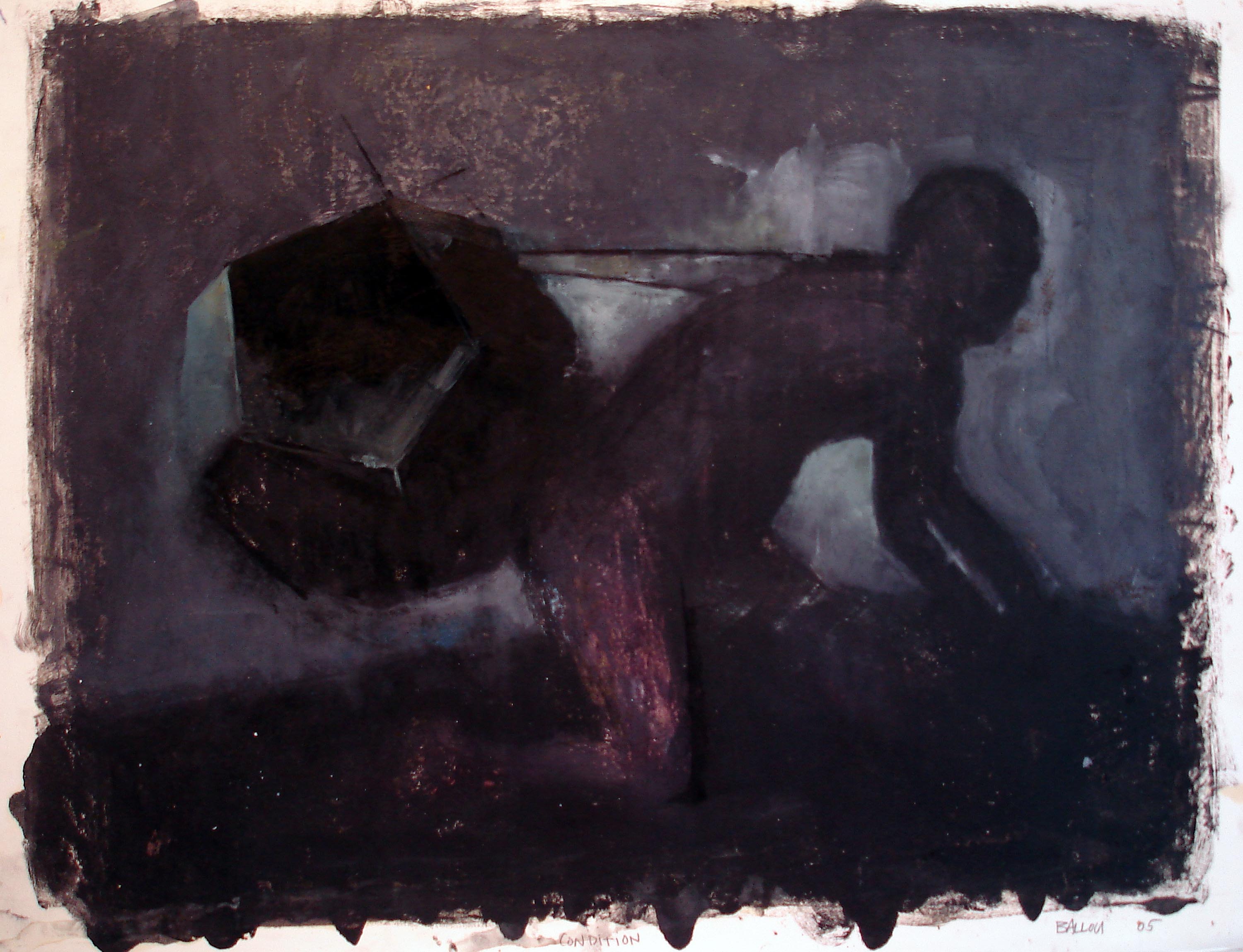
My latest bit of writing, “Our Weights” is up at Neoteric Art. Check it out HERE. Above – Condition, multiple layer monotype in oil on paper, 2005.

Also, there is short and sweet review of my show at Orr Street Studios Gallery by Shea Boresi, HERE. If you’re in Columbia, Missouri, please come by the closing reception for the show on October 7th at 6pm.

And above is one of my best birthday gifts – a pair of glass tumblers, handmade by Ox-Bow awesome-lady Becky Wehmer! Thanks to my wife for getting them (a sort of end-of-Ox-Bow-decade-remembrance gift)!

Here’s a shot of the inside one of them – awesome!

All These Remainders

“The creation of legend is never known at the time of its genesis. Only displacement can imbue the past with the aura of sentimentality. Oh, to yearn, to stretch back with every fiber! To feel again that desire; the shrouded figures that play still on those lost, faded shores. Seeing ever so faintly the afternoon sunlight through old windows and recalling the impression of newfound knowledge in those dusty old books. Oh, to squeeze the eyes tightly, if only to glimpse for one moment that gone-ness – to feel it in the pit, to be in that pit, to stay: impossible. Knowing that it all exists only because I can’t stay there. Oh, to regress into my own idealization, to see myself again as I did then…”

“All these remainders have a keening tonality, a tinnitus of sounds, which we are unable to hear outwardly but which our hearts intuit. They are the silent sirens of what has gone before, and they call to us with accolades and accusations.” – from A Mnemonic of Longing, an unpublished essay, 2002-2009.

So ends my remembrance of Ox-Bow, ten years after. So much more could be said, be shown. I’ll leave it at this for now. The text I have shared in these posts is, perhaps (if only to me), my best artwork. It evokes for me the feeling of remembering and the instances that remembrance serves equally well. The words I’ve shared are as present to me as the times they transform and recreate. In turning them over, reading and re-reading them again and again, I sense anew so many true things. In them I know again the many secrets I held all those years ago. The creaking of the Inn, the internal affects of grasses and trees, and the whispers of the wind – which even now (this VERY second!) are stealing across the Lagoon and through the meadow, past the Mary K and over the dunes – are all as true now in these mnemonic words as they were when I wrote those words down. And they rest in me, speaking in me as to one who has glimpsed a deep but unnameable majesty. Darkness sits near (deathly close to) light.

– Matt Ballou, September 1, 2011.

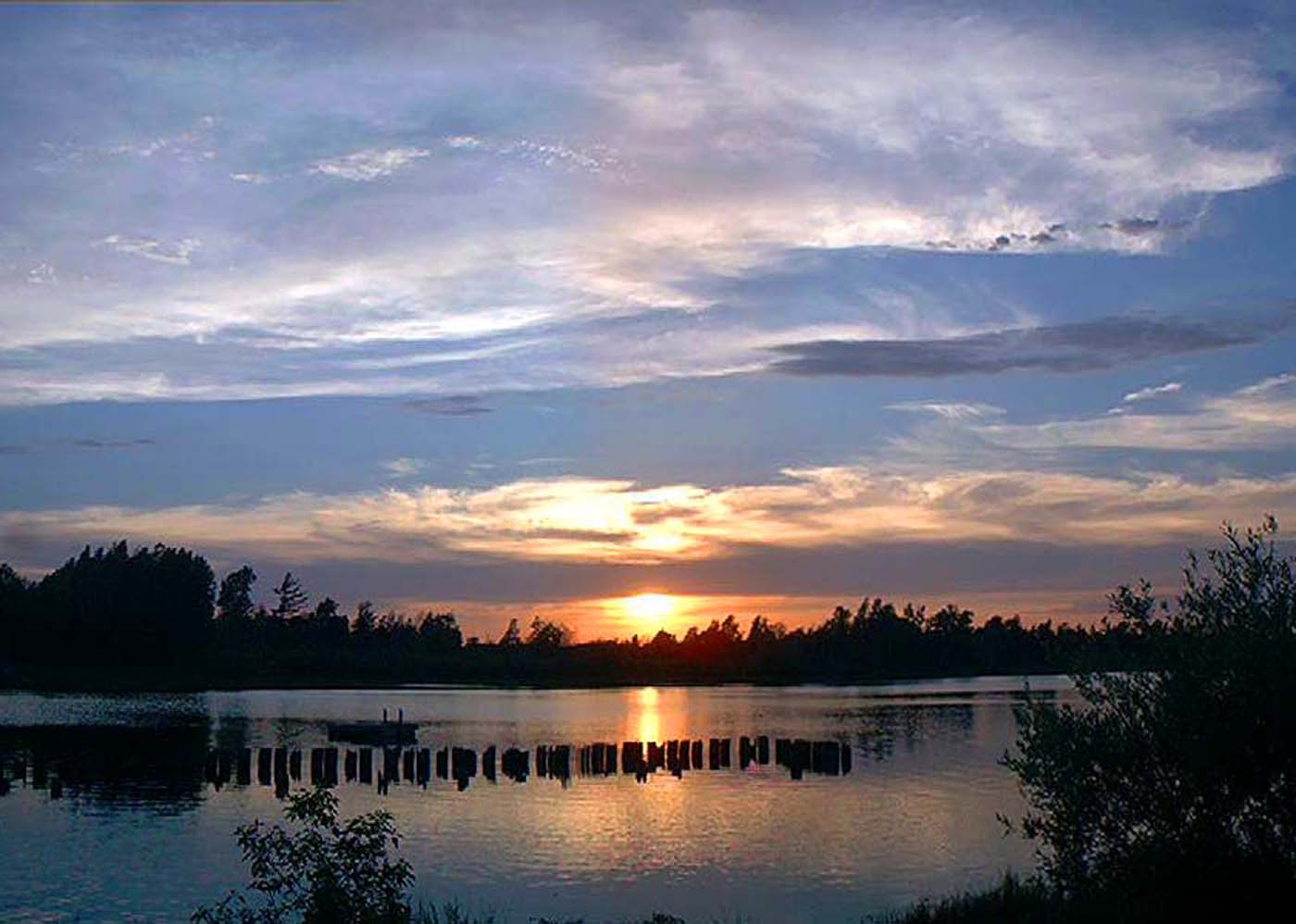
Images from digital photos taken between May and August 2001.

Half-light – the time of soul-sense

“Later on, again I saw the stars rushing in that great sky-arc, their pathways subtly changing over time, subtly changing tonight even as I gaze upward. I think of my place along those paths, and as I think I understand that it is no wonder that the ancients thought the earth was the center of all things. Even when one’s thoughts consider those things farthest from the self, those things impose themselves upon the self in a very physical way – an implication, an assertion. No other beings but us can know these things… To lie on the dock at 1am, the water lapping (piles softly swaying) at languid fingers, touching them with such immediacy even as light a billion years old breaks the plane of these wet eyes. A prayer offered to God. No, it is no wonder to me that the ancients thought themselves the center of all things.”

“Half-light – the time of soul-sense. It is muted sense, muted movement, and muted knowledge. When the world falls away to an edge; we are on it and in it, but at a moment of unknowing. How can we yet remain? Oh, to strain, to stretch! To allow that great letting occur, where our selves, our identities of self, are removed from our references, from our knowing. This is the pure spirit. What has happened?” – from A Mnemonic of Longing, an unpublished essay, 2002-2009.

Images from digital photos taken between May and August 2001.

It was a record, that flaming consumer…

“And the fire was always there with us as well; its cast of gray ash strewn about as a memory of the night past. Here and there on the ground lay also the print of a known foot, the circumference of a bottle, the twisted remains of a cigarette butt. It was a record, that flaming consumer: constantly fed and ever needing more, never totally gone out.”

“The bricks keep it contained, except on those special, pagan nights. Over the years they have become fragile, having seen the fierce flames that flash for three months and then fade for nine many times. The dune now cradles the fire pit in its sandy palm; nature allows us to knead that surface and turn it over with toes and rakes for another day. All the while smoke signals the call over the waters and the trees…” – from A Mnemonic of Longing, an unpublished essay, 2002-2009.

Images from digital photos taken between May and August 2001.

Disembodied Desire: “when the taut nerves mock the numbness of the mind”

“…the themes of alienation, absence and desire …all of this seems so far removed from the place where I’m talking from that it saddens me, and somehow makes me feel obsolete…kind of dead, elegantly wasted (?). I’m not talking about some slippage from reality but rather some absence of destination, a random lingering, an objectless longing.” 1

“…those blank days, mild and hazy, which melt enamored hearts into tears, when they fret with some vague, twisting pain, when the taut nerves mock the numbness of the mind.” 2

“Disembodied desire. It’s really a constellation of factors, a convergence, I guess. It happens when phenomena stack up right there, at the margin of your consciousness. Then, suddenly, it comes. All that is needed is that particular scent, the angle of the sun, your own freshly dried skin (still supple from the wetness), that old song; it has all been said before. These things usher in a yearning, a hoping. It’s a call from the past, something you’ve lost or, to be honest, something you’ve never really had. You don’t know what it is anyway, but that feeling, that sweet aching is almost enough – almost enough to make life feel right. To feel as if you’ve been called, to feel as if you’ve been wanted, to feel as if you’d been in the right place and had known it – had felt it – at the time. When that song comes on, when the night is just right, it is all there so close to the surface. Ah, but when you reach for it, it disappears! It is as if the exact cognitive mechanism used to focus in on that feeling, or time, or place, causes the very same thing to rush away. There must be some inverse relationship there: the farther you are from logically apprehending the shadowy image the closer you are to the essence of it. When you set up for a closer look even the sense you seemed to have of what you wish for flees from you. It is a small surprise then that wishes can take on such mythic proportions.” – from A Mnemonic of Longing, an unpublished essay, 2002-2009.

1) Robert, Jimmy. Self-Portrait. Appeared in Tema Celeste 96, March/April 2003, page 76.
2) Baudelaire, Charles. From the Francis Scarfe English translation of the poem Cloud-dappled Sky, 1857.
 
Images from digital photos taken between May and August 2001.

A Submission to Delights

“A constant comfort of that place – apart from the foliage, springing paths, and multitude other charms – was my mug. Handcrafted and ergonomic, it felt then as it does now: a real weight in the hand – substantial, truthful. It declares by its heft the worth of what it holds. It is heat, a vessel security blanket, a confirmation of time. And of course I carry the time with me physically even now as I use the mug emblazoned with the O and the X (hugs and kisses from the past to the future) almost every day. It reminds me of 2am munchie runs and awesome weekend breakfasts, of wind swept evenings and overcast middays. Its circle pleases me and my mouth conforms to it easily – a submission to delights.” – from A Mnemonic of Longing, an unpublished essay, 2002-2009.

On nights like these – remembering Ox-Bow and my mug of that time – I think also of drinking port with Lex up the slope behind the Inn. One late afternoon, both of us moving toward that state of mellow so frequently found that summer, we debated art and ideas. I had my prized Odd Nerdrum book with me and, in a sequence of events not without mystery and malevolence, the tome found itself flipped off the deck and down the hillside. I keep the book broken away from its cover to this day in remembrance of my time with Alex.

Photo: My second Ox-Bow mug today. I got this mug at the same time as the one I speak about in the text above, but that first mug – my primary mug, the one that I had used every day for two years – was stolen from my workplace in 2003. Now I keep the second mug as a commemoration and never drink from it. Both mugs were made by Becky Wehmer, long time Ox-Bow-luminary and an artist/educator at Waterstreet Glassworks.

A Sound of Being

“Evening often brings contemplation. The paths are quiet and fires smolder in the distance. I’m out behind the Inn again. Some people come and go, moving in the ethereal between-time, but we sit on the steps with a kind, unimposing light glinting out from within. There, the warmth of the air touches my arm as I bring my hand up for another pull on my smoke.

See how poetic that stream of consumption is as it gracefully spreads upward, as smoothly as my eye follows it, as light as my mind. Shared… a cigarette-trust between friends.

And there is just silence, but that is not to say there is no sound. There is a sound that true silence makes, a sound of being. What a precious joy now to sit and feel that silence, having grown accustomed to all the oft-unheard sounds of life embodied in it: there two girls talk quietly down by the lagoon, here the underbrush rustles with some rooting creature. Around us the sounds of the night move in close, the trees and hills settling in. Above, in the near cabins, assignations await. The studio glows, and there’s music trailing through the trees… notice the diffusion. The Inn lights lilt like ghosts greeting that twilight time, that time when the entire world is mother-of-pearl.” – from A Mnemonic of Longing, an unpublished essay, 2002-2009.

Image from a digital photo taken between May and August 2001.

Inspiration – Oscar Wilde

“The public make use of the classics of a country as a means of checking the progress of Art. They degrade the classics into authorities. They use them as bludgeons for preventing the free expression of Beauty in new forms. They are always asking a writer why he does not write like somebody else, or a painter why he does not paint like somebody else, quite oblivious of the fact that if either of them did anything of the kind he would cease to be an artist. A fresh mode of Beauty is absolutely distasteful to them, and whenever it appears they get so angry and bewildered that they always use two stupid expressions—one is that the work of art is grossly unintelligible; the other, that the work of art is grossly immoral. What they mean by these words seems to me to be this. When they say a work is grossly unintelligible, they mean that the artist has said or made a beautiful thing that is new; when they describe a work as grossly immoral, they mean that the artist has said or made a beautiful thing that is true.” – Oscar Wilde, (from this New Yorker article)

Though I don’t believe in “newness” or “originality” I resonate with what Wilde is saying here. What we consider new or original is really just a recombination of the elements and assumptions that underlie our experience and expression of being into a form that is somewhat removed from our well-worn paths of knowing. We are uncomfortable with this reconfiguration, this reconstitution, and so we react by calling it unintelligible or immoral, as Wilde observed. I think Wilde’s greatest contribution is in his knowing and deft agitation of our assumptions about what we know, his precise jostling of our convictions of certainty. He is one of the few artists whose work I seamlessly love.

One of my fondest memories of experiencing Wilde is related to seeing the Tom Stoppard play “The Invention of Love” at the Court Theater of the University of Chicago with my wife and father in law several years ago. In it Wilde makes a striking appearance with the main character of the play A.E. Housman, on the shore of the river Styx. His teeth blackened, condemned by law and society, Wilde is an exuberant yet melancholic figure in death. Still dapper and spouting axioms, dressed in lilac and reading from his own work as Housman comes upon him in the afterlife, Stoppard’s Wilde is a revelation. The scene catalyzed my appreciation for Wilde, so I guess I have Stoppard to thank for that. Here’s a review of the play if you’re interested.

Ox-Bow as Self-Portrait

“As I reflect on this experience from the mitigating distance of years, I am staggered by the power it still holds within my heart. And by my heart I mean the seat of my emotions as well as that physical member within me. Perhaps this is because, as with all fantasies, I remember it in an idealized form. Yet even the least ideal aspects of the time hold a remarkable glow to me.”

“At the time, I saw that land – that Large Place – as a separate sphere, a space out of time, out of normalcy. It strikes me how, when I am able to recall it very clearly, my heart almost seizes within my chest as I briefly sense again the stinging joys that I felt there.”
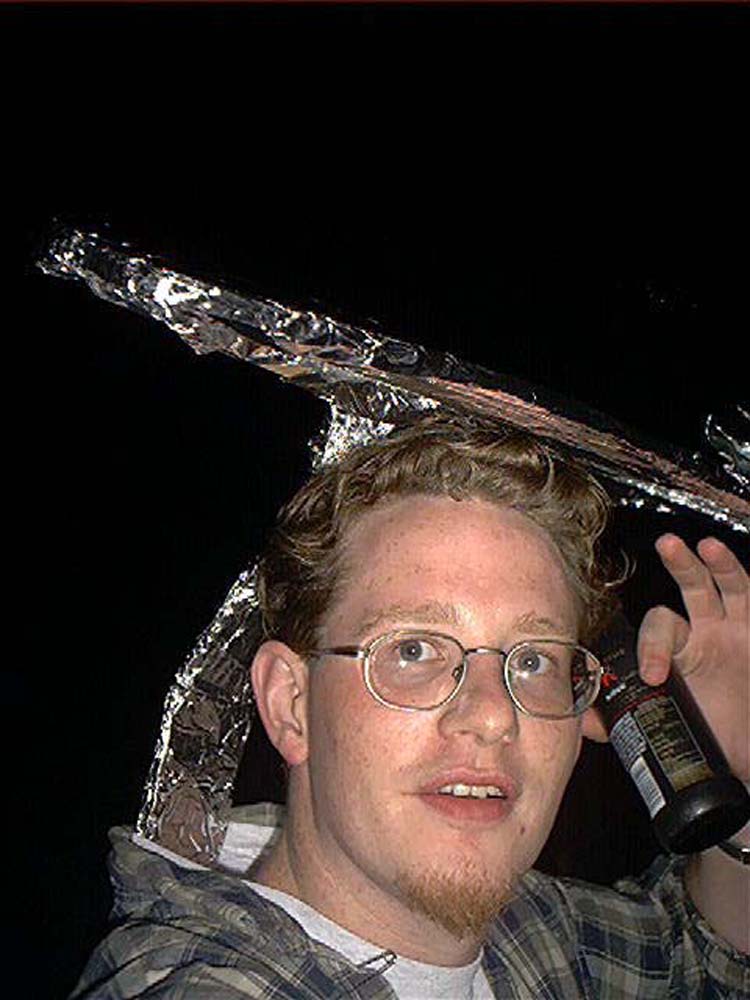
“It was an exploration of myself, not simply a holiday from the reality I had always known. Sitting there on the shore of that ancient lake, gazing back west towards the big city that has since become my home, I marveled how it seemed that I was gazing across some chasm of time and space.”

“I was dislocated, thrown, out of my time into another, somehow timeless, yet time-full arena. I was looking backward and forward to that other shore of past experience and an unsure future. I could never be the same.”

“I could never be the same.”

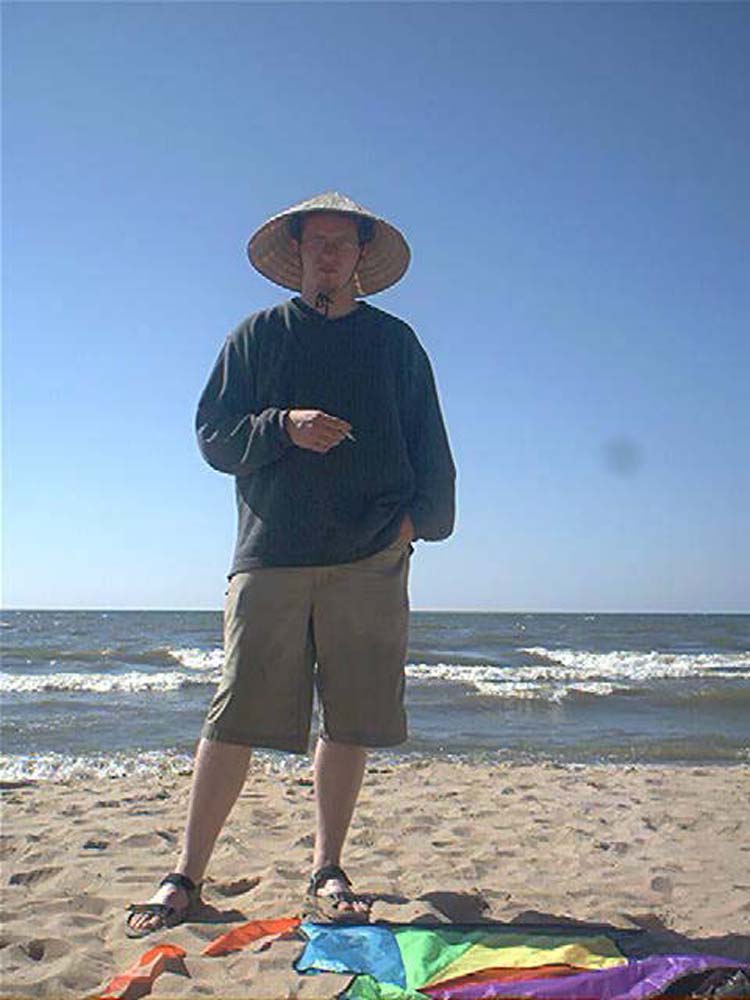
“I could never be the same.”

“I could never be the same.”

All text: from A Mnemonic of Longing, an unpublished essay, 2002-2009.

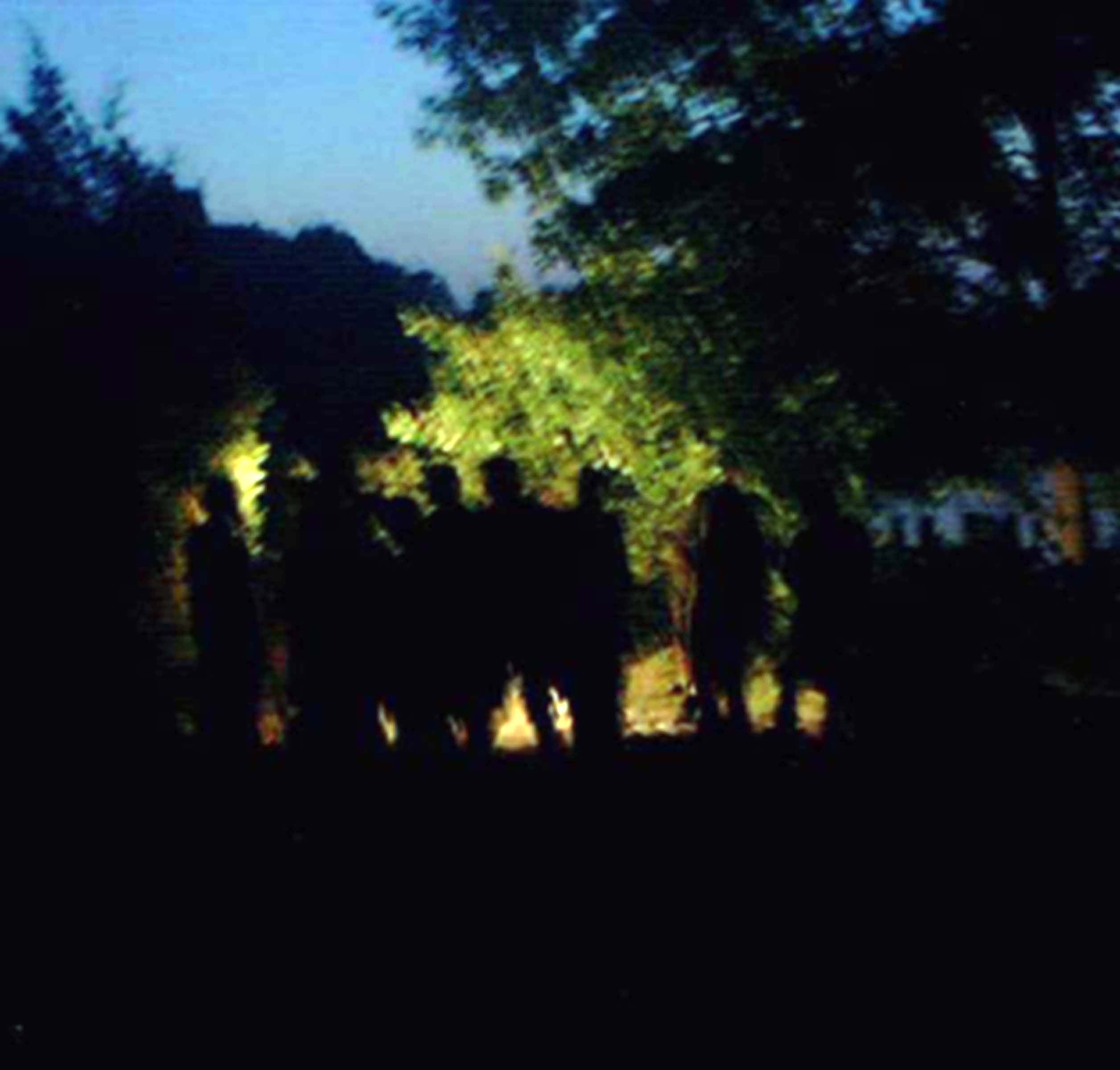
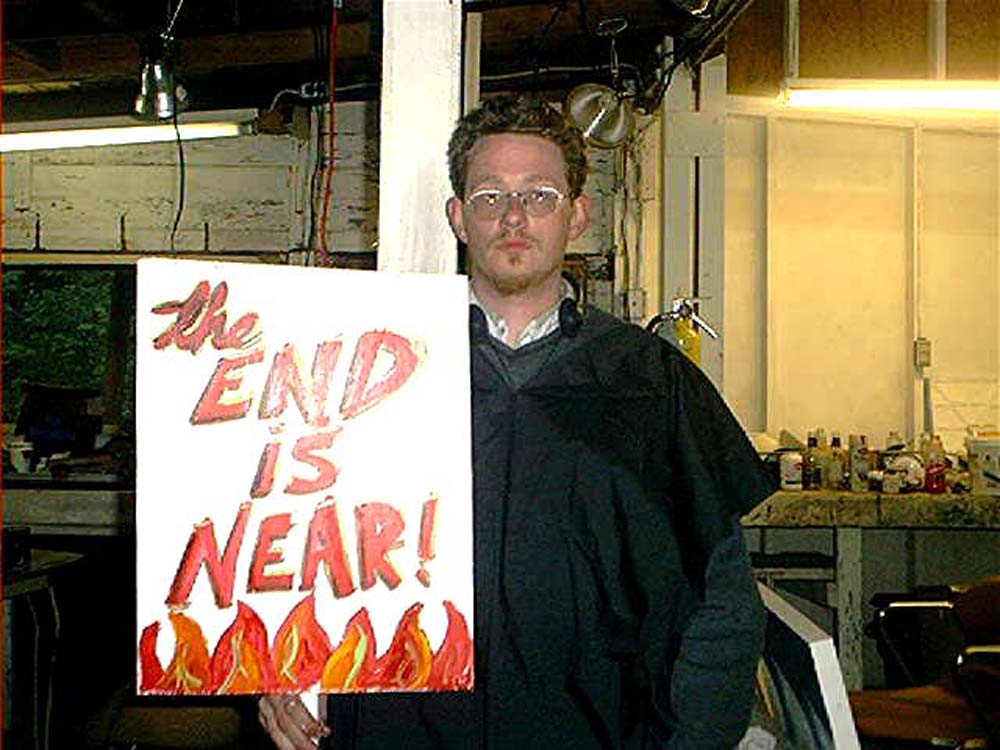
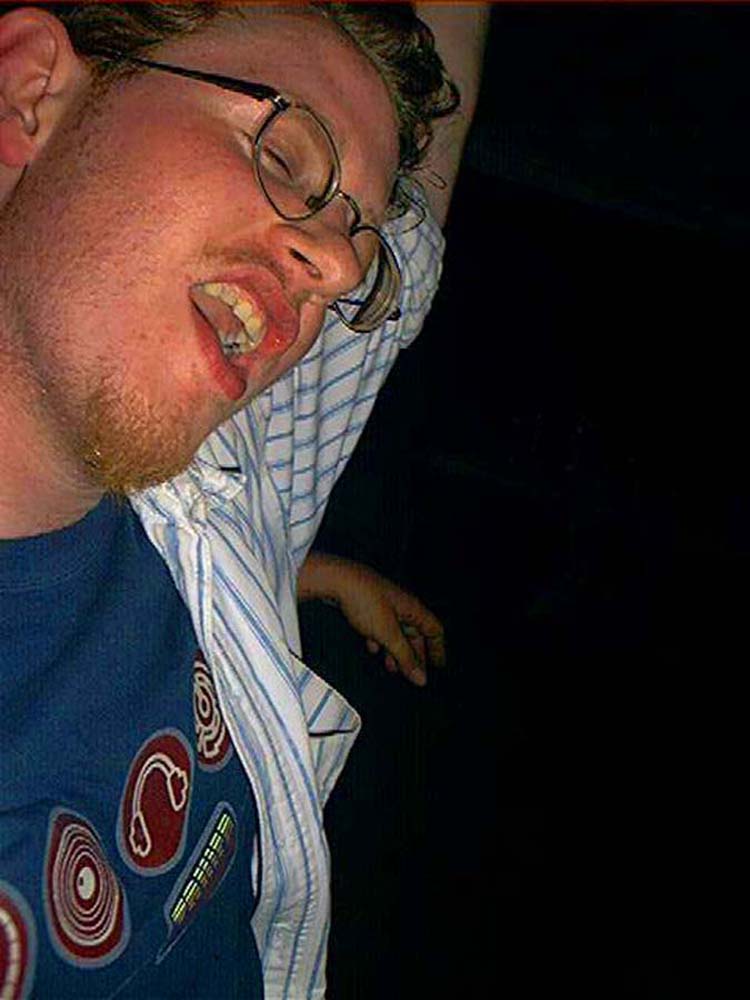
All photos: Self-portraits taken between May 2001 and August 2001, in roughly chronological order.

Drawing: Matt (Hardass). Ink and Sharpie on paper, 11 by 14 inches, 2001, by Reid Thompson and unknown Ox-Bow Fellow (A.G.).

PS: Don’t smoke, kids.